
Search
Showing results for "early lung health"
To explore factors influencing postoperative experiences of adult cochlear implant (CI) recipients, determine the impact of each factor, and conceptualize recipients' postoperative journey.
Pregnancy is associated with an alternatively activated phenotype of alveolar macrophage before infection

Airway surface liquid pH is not acidic in children with cystic fibrosis Modulation of airway surface liquid (ASL) pH has been proposed as a therapy
Brad Carrington Fiona Farrant Shepherd Stanley BSc (Hons), PhD PhD FAA FASSA MSc MD FFPHM FAFPHM FRACP FRANZCOG HonDSc HonDUniv HonFRACGP HonMD
Engagement with preschool programs in Australia may present a plausible, equitable, and modifiable approach to improving children's developmental outcomes
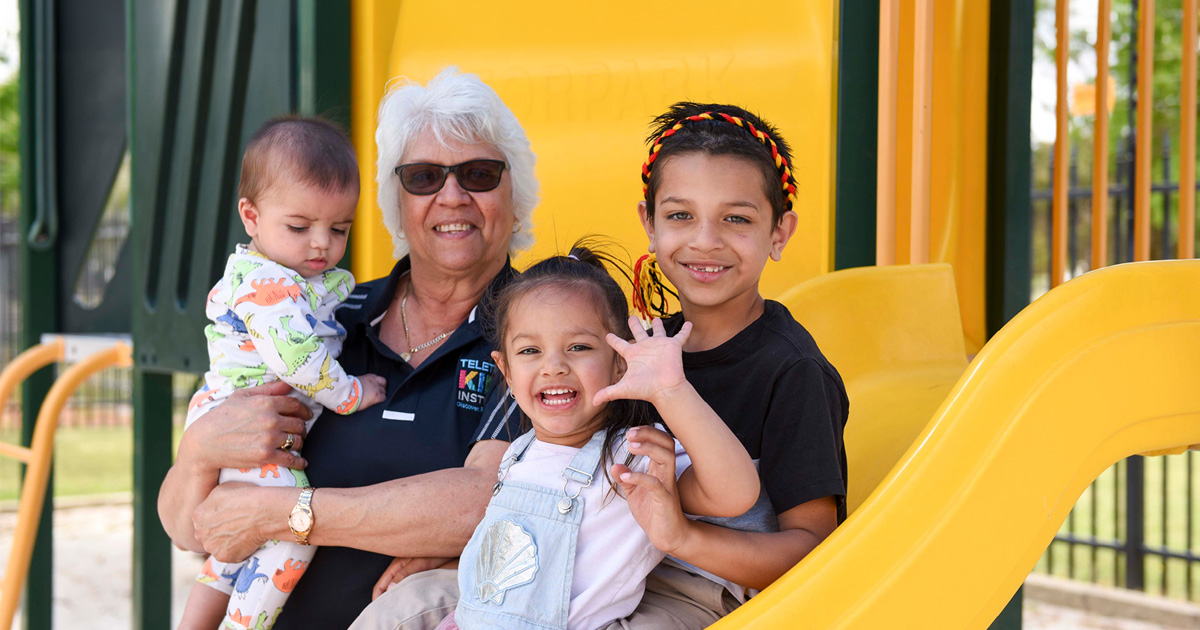
A decade long partnership with Wesfarmers Ltd. and the Wesfarmers Centre of Vaccines and Infectious Diseases has led to world-class paediatric research and important collaborations fuelling the Centre’s trajectory towards easing the burden of infectious diseases.
Parents and caregivers often turn to the internet for information about their child's health and development. Research investigating content related to parenting on the world's most popular social media platform, TikTok, has not been conducted.
On this Research Impact page, we list stories helping to show our exciting in-progress research currently "in the pipeline" towards translation. This is research which shows a real spark of potential to make a significant difference to children and families worldwide.
AMR is a rapidly growing challenge and has been identified as one of the World Health Organizations top 10 global health threats, with the potential to undo many of the health gains observed over the last century.
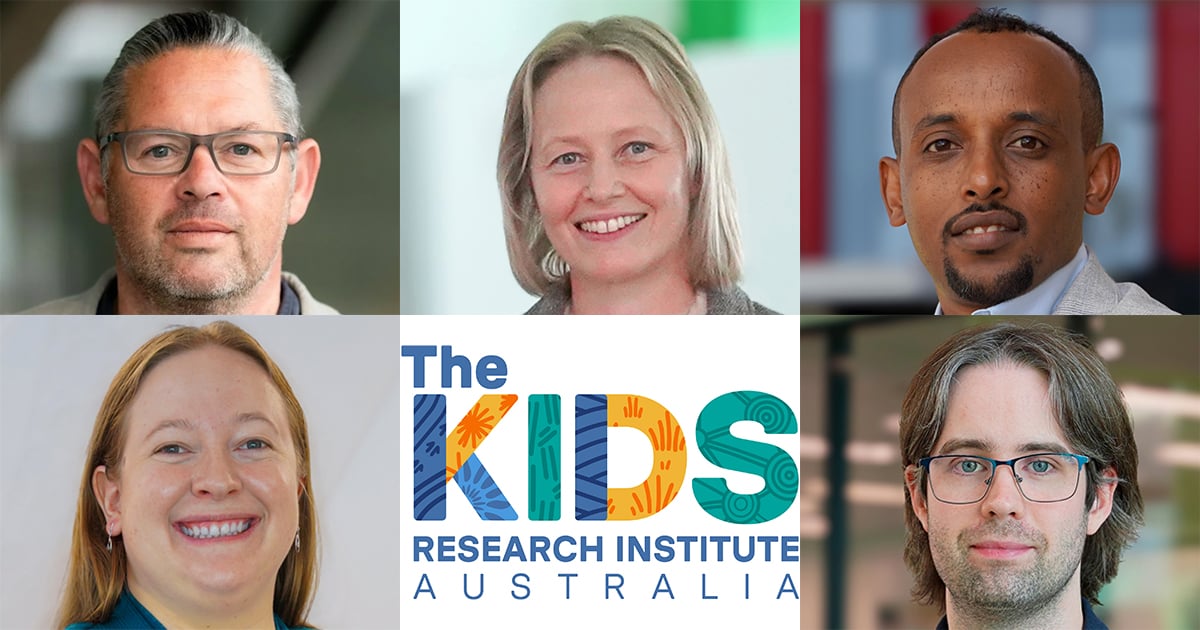
Five researchers from The Kids Research Institute Australia have secured prestigious National Health and Medical Research Council (NHMRC) Investigator Grants, earning five years of funding to advance research tackling some of Australia's most pressing child health challenges.