
Search
Showing results for "mental health aboriginal"
Dementia is a health priority for Indigenous peoples. Here, we reviewed studies on the prevalence of dementia or cognitive impairment among Indigenous populations from countries with a very high Human Development Index (≥0·8). Quality was assessed using the Joanna Briggs Institute risk-of-bias tool and CONSolIDated critERia for strengthening the reporting of health research involving Indigenous peoples (CONSIDER), with oversight provided by an Indigenous Advisory Board.
The Opportunity The Kids Research Institute Australia is seeking two highly motivated and talented post-doctoral researchers to develop and lead a
Regular physical activity is important for children's physical and mental health, yet many children do not achieve recommended amounts of physical activity. Dog ownership has been associated with increased physical activity in children, however, there have been no longitudinal studies examining this relationship.
Indigenous Australians have an increased risk of type 2 diabetes mellitus and premature cardiovascular disease. Subpopulations of high-density lipoprotein (HDL) have been associated with increased cardiovascular risk, but HDL composition, size, or function have not been studied in Indigenous Australians.
Type 1 diabetes in First Nations peoples is low yet type 2 diabetes is at epidemic proportions. This study aimed to determine the prevalence of islet autoimmunity in First Nations women with dysglycaemia and its association with clinical features.
We used population data on Western Australian singletons born from 1984 to 1999 (n = 398,353) to examine the sociodemographic characteristics of children...
A community-led, trauma-informed psychosocial intervention to improve health outcomes of children and young people with Type-1 diabetes.
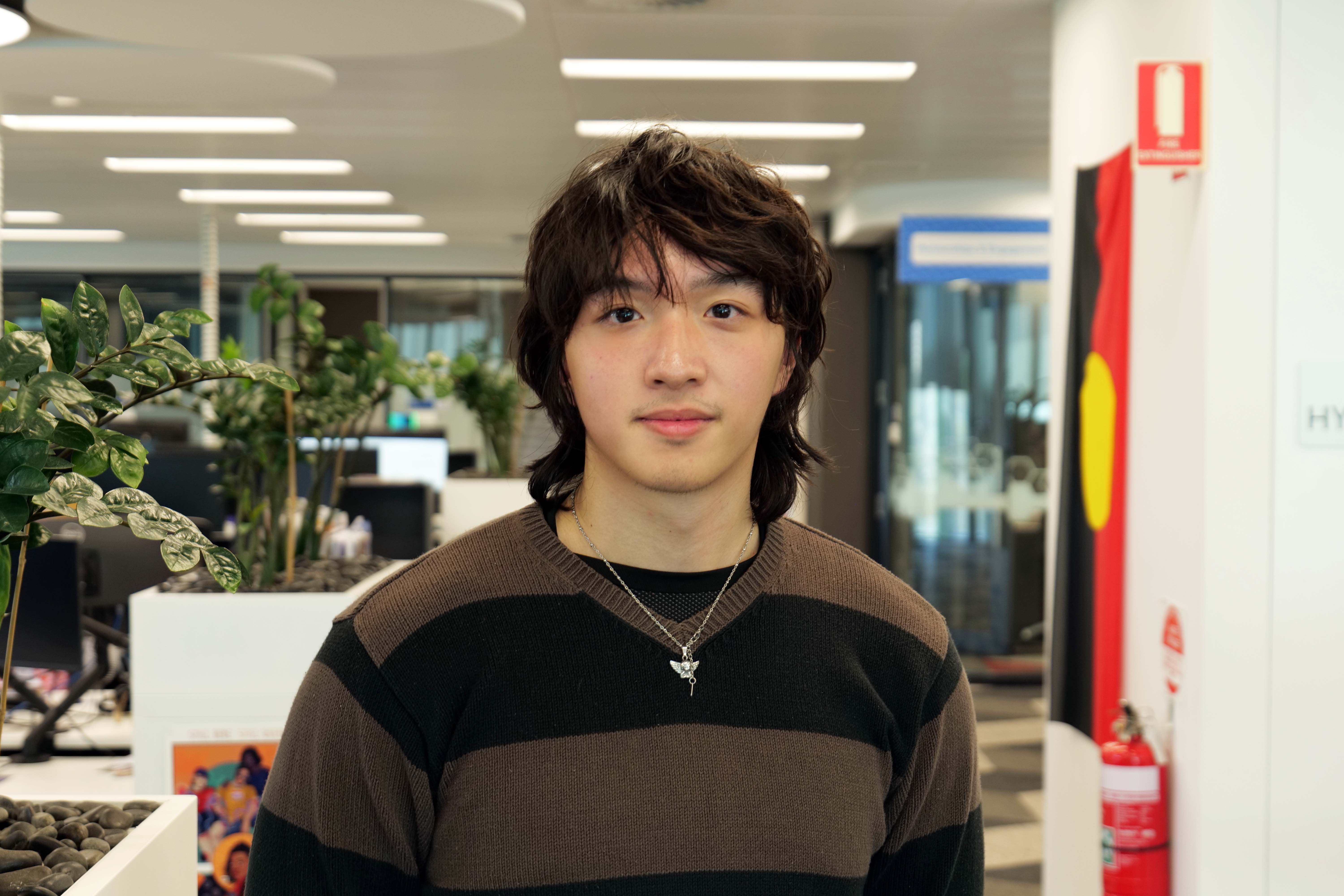
Congratulations to the inaugural Embrace intern, Bobby Zheng, who recently wrapped up a 100-hour paid internship with the Healing Kids, Healing Families team.

Clinical Research Fellow

Research Assistant