
Search
Showing results for "lung disease preterm"
Britta Regli-von Ungern-Sternberg AM FAHMS MD, PhD, DEAA, FANZA Chair of Paediatric anaesthesia, University of Western Australia; Consultant
Head-mounted devices (HMDs) have been explored in anaesthesia education for their unique ability to have head-tracked immersive simulations adaptable to diverse clinical scenarios. This scoping review examines how HMD-based augmented or virtual reality enhances anaesthetic skill learning in clinicians, trainees, and students.
Critical Events in Anaesthetised Kids undergoing Tracheal Intubation (CRICKET) is a prospective, international multicentre observational study with the objective of capturing, assessing, and analysing critical events associated with tracheal intubation in children.
Obstructive sleep apnoea (OSA) has been thought to increase the risk of respiratory depression from opioids. The primary aim of this study was to assess whether preoperative hypoxaemia by sleep study pulse oximetry imparts greater opioid sensitivity.

Preventing over half of the world’s ear infections with a therapy such as Spritz-OM will significantly improve health and educational outcomes on a global scale.

Mental health concerns in youth are important in their own right. However, they can be even more troubling when your child is dealing with other health conditions.
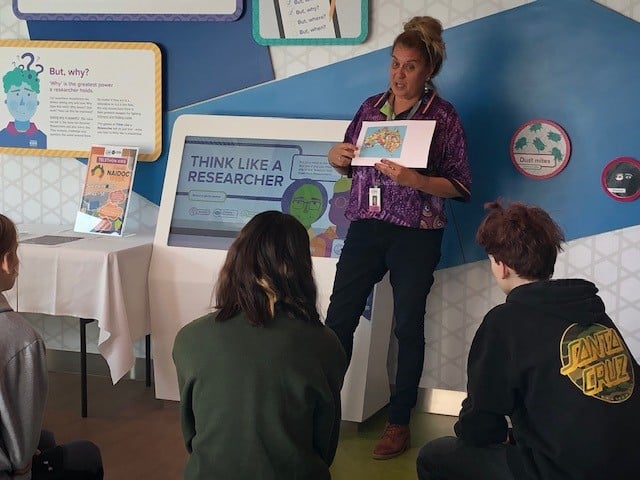
Register your interest to book a special NAIDOC Week x The Kids school excursion.
The administration of inhaled antibiotics to patients with upper or lower respiratory infections is sometimes conducted via a tracheostomy airway. However, precise dosing via this route remains uncertain, especially in spontaneously breathing paediatric patients.
Lidocaine is widely used in pediatric anesthesia for airway topicalization to modulate undesirable airway and circulatory reflexes, yet its effectiveness remains unclear. Therefore, we aimed to perform a meta-analysis evaluating the impact of topical lidocaine on respiratory adverse events in children undergoing airway management.
Parents and caregivers play a critical role in the care of their child peri-operatively. Our team undertook previous research with parents/carers, which identified Australian parents' top 10 research priorities for paediatric anaesthesia and peri-operative medicine.