
Search
Showing results for "early lung health"
Non-communicable diseases (NCDs) pose the greatest threat to human health globally. The dramatic rise in early onset NCDs - such as childhood obesity, the allergy epidemic and an increasing burden of mental ill health in children and youth - reflect the profound early impact of modern environments on developing systems.
The Language in Little Ones (LiLO) study is a five-year longitudinal study (2017-2021), funded through the National Health and Medical Research Council. The study investigates the quantity and quality of language exposure in the home environment during the first five years of a child’s life.
To examine whether maternal gestational hypertension and preeclampsia are associated with behavioral problems in offspring
Infant allergy is the most common early manifestation of an increasing propensity for inflammation and immune dysregulation in modern environments. Refined low-fibre diets are a major risk for inflammatory diseases through adverse effects on the composition and function of gut microbiota. This has focused attention on the potential of prebiotic dietary fibres to favourably change gut microbiota, for local and systemic anti-inflammatory effects.
Altitudes is a positive and supportive program for family members of young people who are receiving treatment at headspace early psychosis service.

Senior Research Officer

The Children’s Diabetes Centre has had a few inquiries about the new BANDIT trial, based in Melbourne, and whether we are involved. Currently, the trial is only open to people who live in Victoria.The Centre is involved in other Australian studies aiming to better understand diabetes.
Physical activity is essential for children’s healthy development, yet COVID-19 physical distancing restrictions such as school closures and staying at home, playground closures, and the cancelling of organised community sport have dramatically altered children’s opportunities to be physically active. This study describes changes in levels of physical activity and screen time from February 2020 (i.e., before COVID-19 restrictions were introduced in Western Australia) to May 2020 (i.e., when COVID-19 restrictions were in place). Parents of children aged 5 to 9 years from Western Australia were eligible to participate and recruited through convenience sampling.
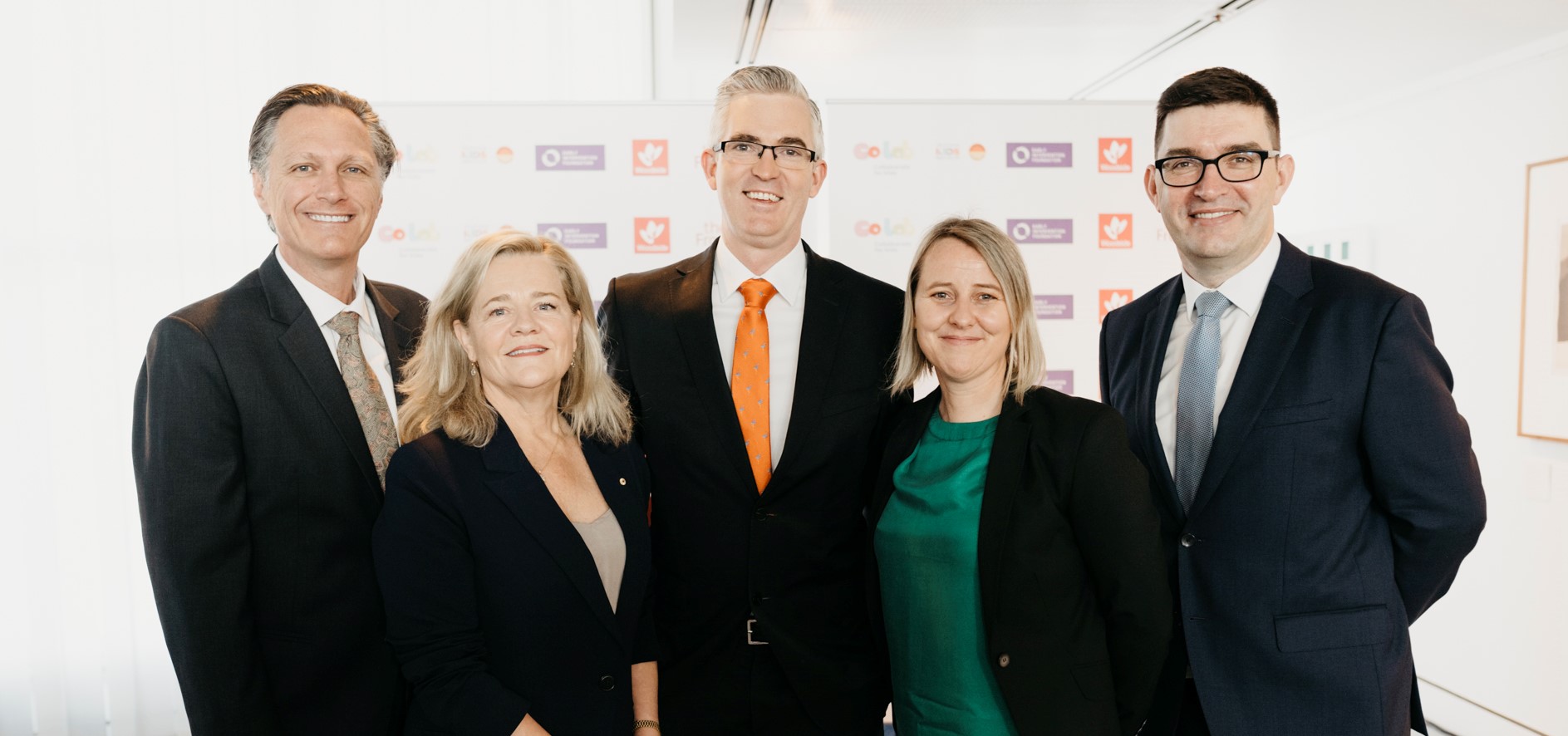
Leaders in the not-for-profit, research, philanthropy and business sectors have joined forces to shine a light on the human and economic benefits of early support for Australian children.
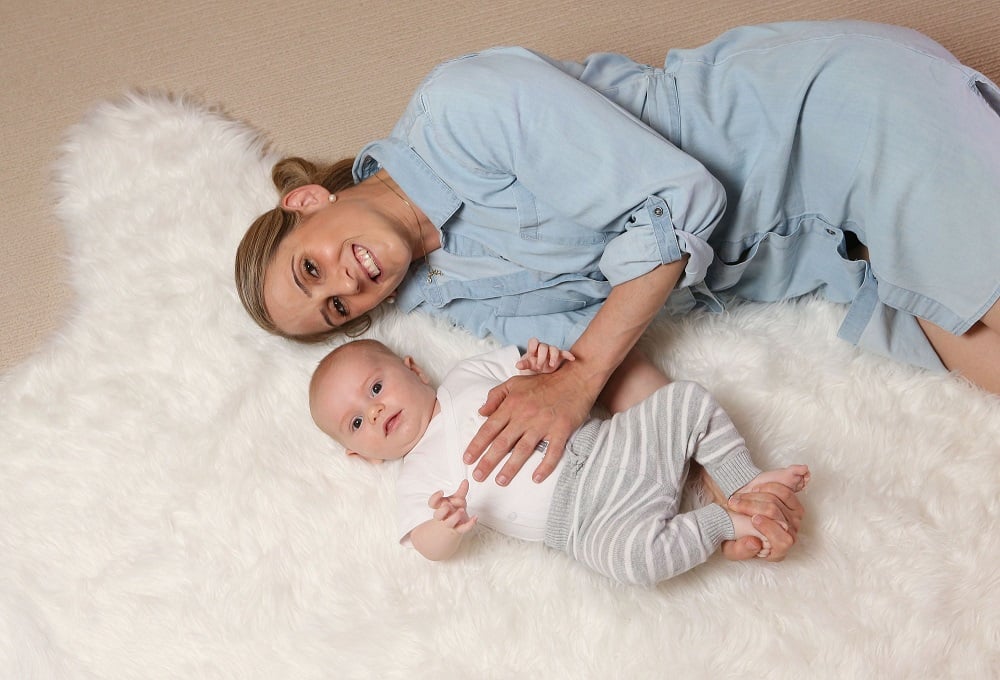
The ORIGINS Project’s Early Moves study is investigating whether a baby’s early movements can predict learning difficulties later in childhood.