
Search
The purpose of this paper is to highlight a perspective for decolonizing research with Australian First Nations and provide a framework for successful and sustained knowledge translation by drawing on the recent work conducted by a research group, in five remote communities in North-Western Australia.
High-flow nasal oxygen (HFNO) is frequently used in hospitals, producing droplets and aerosols that could transmit SARS-CoV-2. Our aim was to determine if a headbox could reduce droplet and aerosol transmission from patients requiring HFNO.
Despite advances in cystic fibrosis (CF) management and survival, the optimal treatment of pulmonary exacerbations remains unclear. Understanding the variability in treatment approaches among physicians might help prioritise clinical uncertainties to address through clinical trials.
Asthma is the most common chronic lung disease in childhood. There has been a significant worldwide effort to develop tools/methods to identify children's risk for asthma as early as possible for preventative and early management strategies. Unfortunately, most childhood asthma prediction tools using conventional statistical models have modest accuracy, sensitivity, and positive predictive value.
Surfactant, which was first identified in the 1920s, is pivotal to lower the surface tension in alveoli of the lungs and helps to lower the work of breathing and prevents atelectasis. Surfactant proteins, such as surfactant protein B and surfactant protein C, contribute to function and stability of surfactant film.
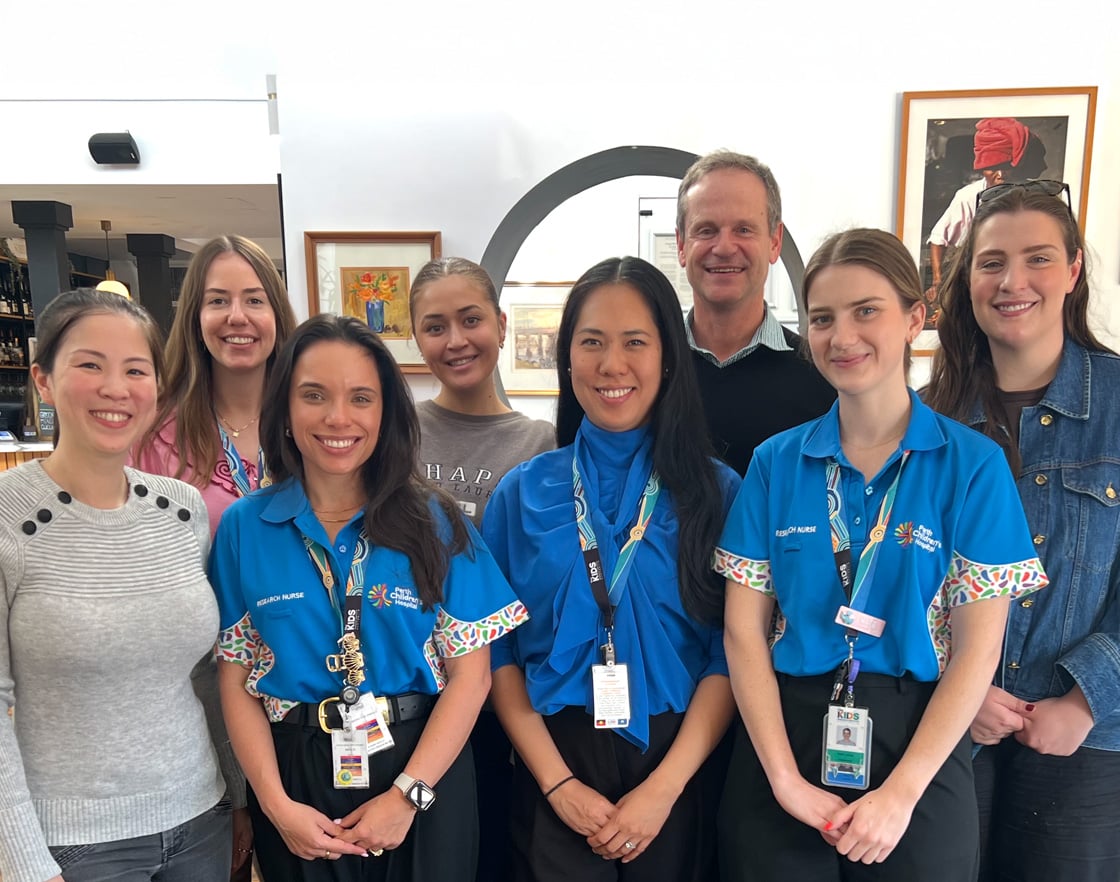
Our team aims to optimise lung health early in life to ensure the best possible health outcomes later in life.
Bronchiectasis, particularly in children, is an increasingly recognised yet neglected chronic lung disorder affecting individuals in both low-to-middle and high-income countries. It has a high disease burden and there is substantial inequity within and between settings. Furthermore, compared with other chronic lung diseases, considerably fewer resources are available for children with bronchiectasis.
Sputum induction is widely used in clinical settings for collection of biological samples from the lower airways. However, in recent years sputum induction has been associated with serious adverse events and even death. This position statement was commissioned by the Thoracic Society of Australia and New Zealand to address major adverse events of two deaths associated with sputum induction that have occurred in Australia in 2021, and outlines best practice for the safe use of sputum induction.
Bronchiectasis is a worldwide chronic lung disorder where exacerbations are common. It affects people of all ages, but especially Indigenous populations in high-income nations. Despite being a major contributor to chronic lung disease, there are no licensed therapies for bronchiectasis and there remain relatively few randomised controlled trials (RCTs) conducted in children and adults.
Aboriginal children hospitalised with acute lower respiratory infections (ALRIs) are at-risk of developing bronchiectasis, which can progress from untreated protracted bacterial bronchitis, often evidenced by a chronic (>4 weeks) wet cough following discharge. We aimed to facilitate follow-up for Aboriginal children hospitalised with ALRIs to provide optimal management and improve their respiratory health outcomes.