
Search
Showing results for "early lung health"
Family Day Care (FDC) is an essential service supporting Australian families requiring convenient, versatile, and quality education and care for their children. FDC educators’ mental wellbeing (MWB), often overlooked, is vital to ensure optimal education and care. This study aimed to gauge Australian FDC educators’ MWB and identify factors positively or negatively affecting MWB.
People living in poverty have insufficient household income to meet an acceptable standard of living, and are thus prevented from realising their full potential

Families affected by bronchiectasis gathered in Kings Park recently for a special event hosted by the BRIGHT Study team, celebrating community, connections, and conversations.

Join us this school holidays for a FREE family fun day at The Kids Research Institute Australia in Subiaco and discover how we are making a difference to child health.

Co-head, Bacterial Respiratory Infectious Disease Group (BRIDG)

Program Assistant
This is the first prospective study to identify an association between early life testosterone exposure and pragmatic language difficulties in girls
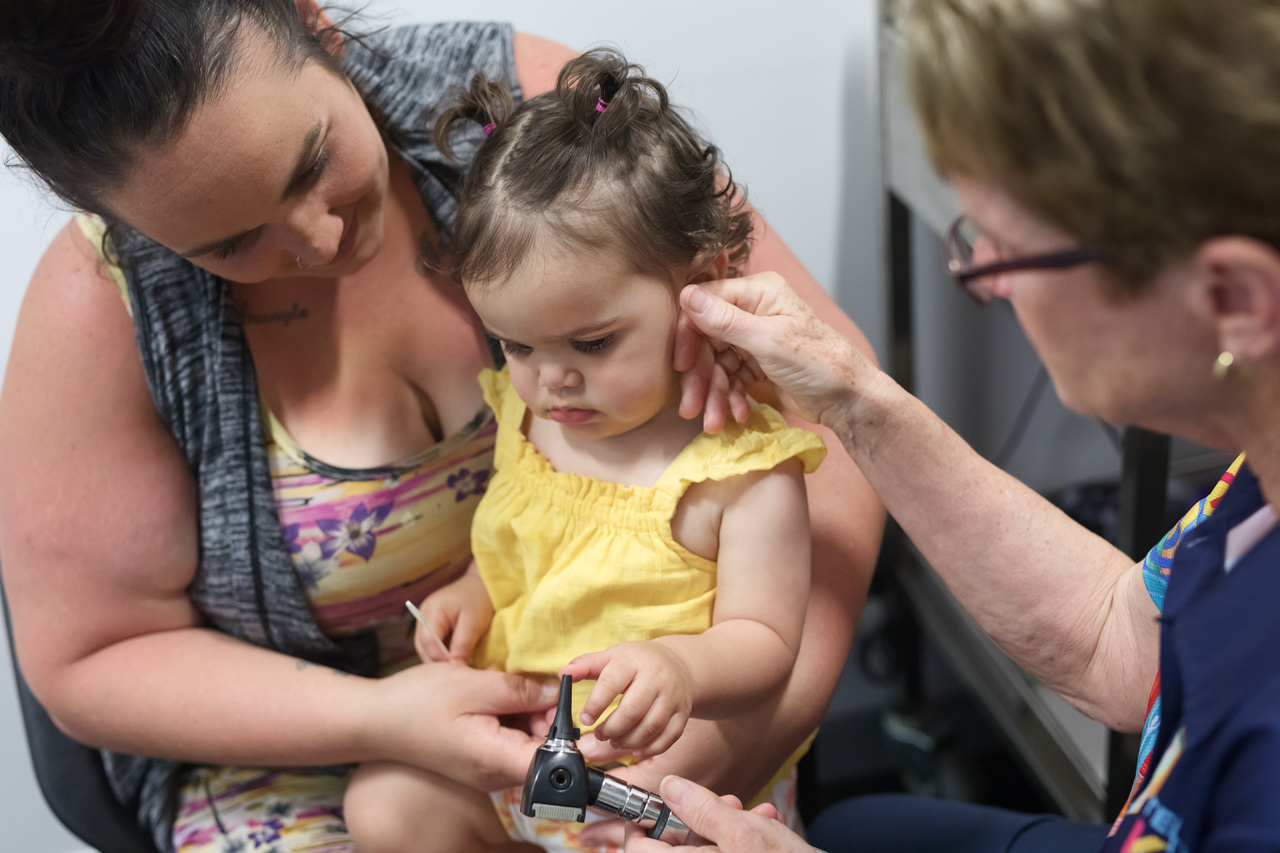
Researchers from The Kids Research Institute Australia have been awarded a $1.1 million NHMRC ‘Targeted Call for Hearing Health’ grant to conduct the first ever study following Aboriginal babies from birth through to five years to uncover the true prevalence of middle ear infections and hearing loss.
Previous reports suggested that food proteins present in human milk (HM) may trigger symptoms in allergic children during breastfeeding, but existing evidence has never been reviewed systematically.
To reduce peanut allergy prevalence, infant feeding guidelines now recommend introducing peanuts in an age-appropriate form (such as peanut butter) as part of complementary feeding. However, due to a lack of randomized trial evidence, most infant feeding and food allergy prevention guidelines do not include tree nuts. The aims of this trial were to determine safety and feasibility of dosage consumption recommendations for infant cashew nut spread introduction.