
Search
Showing results for "early lung health"
The Wal-yan Respiratory Research Centre is a global epicentre for paediatric respiratory research, informing clinical practice and driving a new research agenda for childhood lung health.
The episode investigates the alarming rise in early-onset adult cancers and the research efforts to understand why and what Australia can do the reduce its diagnoses.
Fiona Stanley FAA FASSA MSc MD FFPHM FAFPHM FRACP FRANZCOG HonDSc HonDUniv HonFRACGP HonMD HonFRCPCH HonLLB (honoris causa) Patron 08 6319 1176
This report introduces the DOHaD ANZ Working Groups and summarizes their plans and activities
CP Movetime aims to establish and test a technology-based application to improve health outcomes by monitoring device measured sedentary behaviours in non-ambulant children and youth with cerebral palsy.
In this study, the Australian Early Development Census scores of 19,203 children were linked to information on child maltreatment allegations.
In this review, we will highlight infants' immune responses to food, emphasizing the unique aspects of early-life immunity and the critical role of breast milk as a food dedicated to infants. Infants are susceptible to inflammatory responses rather than immune tolerance at the mucosal and skin barriers, necessitating strategies to promote oral tolerance that consider this susceptibility.
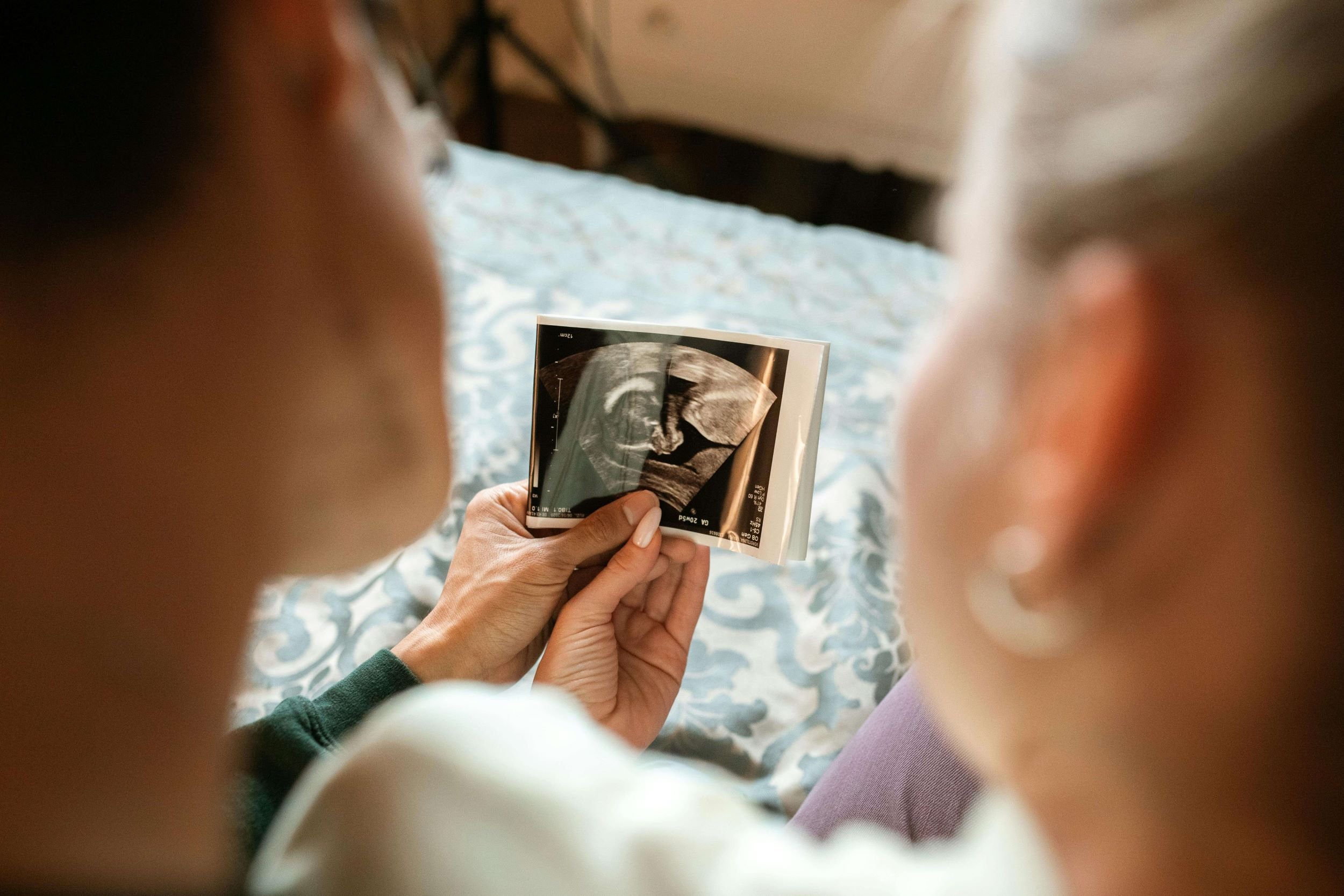
This research aims to examine subfertility in a population pregnancy cohort, analysing the underlying differences between sub fertile couples who conceive naturally, sub fertile couples who conceive using ART or non-IVF, and fertile couples.
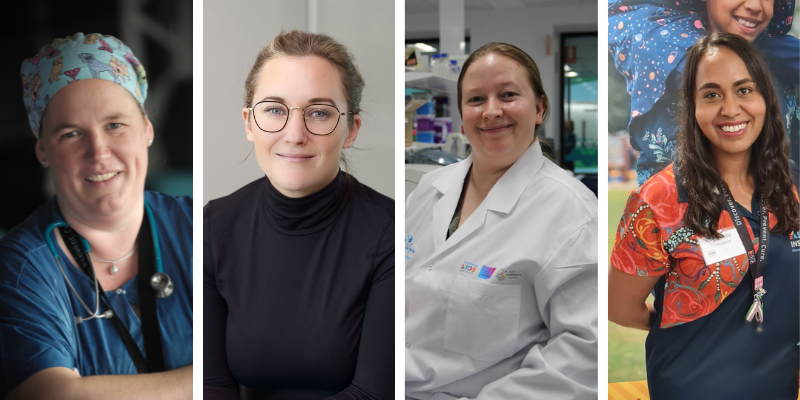
Four The Kids Research Institute Australia researchers – working across diverse fields including paediatric anaesthesia, bioinformatics, ear health, and the health impacts of biodiesel exhaust – have been named as finalists in the 2021 Premier’s Science Awards.
The underlying pathogenesis of pediatric obstructive sleep disordered breathing (SDB) and recurrent tonsillitis (RT) are poorly understood but need to be elucidated to develop less invasive treatment and prevention strategies.