
Search
Showing results for "aboriginal respiratory"
This study will identify how the immune system contributes to neurodevelopmental outcomes and will investigate the use of an agent from traditional medicines.
The airway epithelium in asthma displays altered repair and incomplete barrier formation.
Pneumococcal colonization of the nasopharynx is especially common in young children and is a pre-requisite for pneumococcal disease...
The social determinants of health, as described by the World Health Organisation (WHO), are 'the non-medical factors' that influence health outcomes. They are the conditions in which people are born, grow, work, live, and age, and the wider set of forces and systems shaping the conditions of daily life. According to the WHO, social determinants of health account for between 30-55% of health outcomes, and children can be particularly vulnerable to their impacts.
Allergic sensitization and reduced ability to respond to viral infections may contribute to virus-induced wheeze and asthma development in young children. Plasmacytoid dendritic cells (pDC) are rare immune cells that produce type I interferons (IFN-I) and play a key role in orchestrating immune responses against viruses.
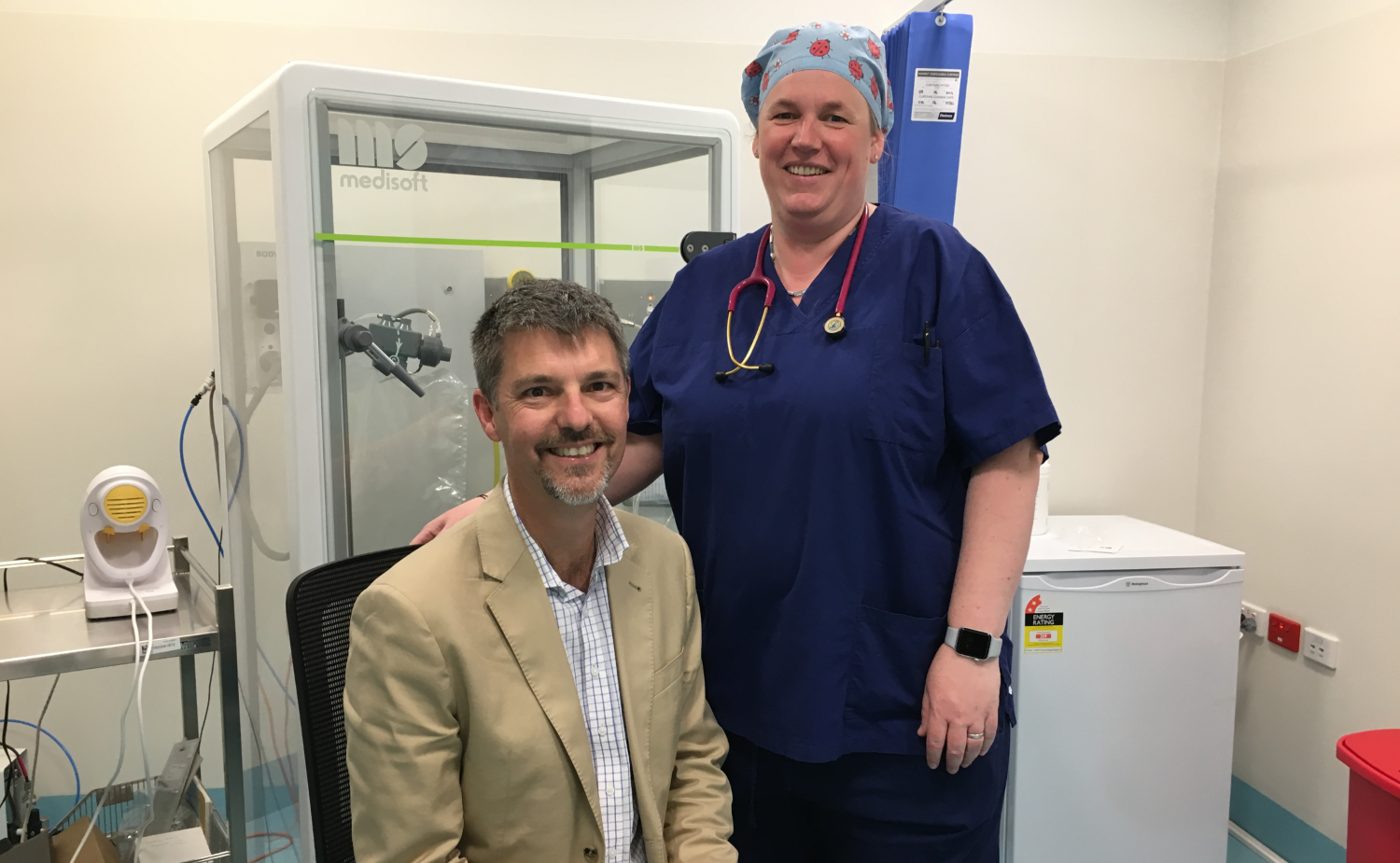
World-first findings from the collaborative REACT study – a joint project between The Kids, PCH, UWA and Curtin University – have led to the asthma medication Ventolin being routinely given to paediatric patients before tonsillectomy surgery to prevent respiratory complications.
The impact of pneumococcal conjugate vaccines (PCVs) on pneumonia in children is well-documented but data on 23-valent pneumococcal polysaccharide vaccine (PPV23) are lacking. Between 2001 and 2011, Indigenous children in Western Australia (WA) were recommended to receive PPV23 at 18-24 months of age following 3 doses of 7-valent PCV. We evaluated the incremental effectiveness of PPV23 against pneumonia hospitalisation.
Tools that can be used to collect behavioural data during pandemics are needed to inform policy and practice. The objective of this project was to develop the Your COVID-19 Risk tool in response to the global spread of COVID-19, aiming to promote health behaviour change. We developed an online resource based on key behavioural evidence-based risk factors related to contracting and spreading COVID-19. This tool allows for assessing risk and provides instant support to protect individuals from infection.
Despite substantial declines since 2000, lower respiratory infections (LRIs), diarrhoeal diseases, and malaria remain among the leading causes of nonfatal and fatal disease burden for children under 5 years of age (under 5), primarily in sub-Saharan Africa.
A new Australian study that looked at the long term impacts of early lung infections in young kids with cystic fibrosis has recommended changes to monitoring