
Search
Showing results for "Childhood interstitial lung disease "
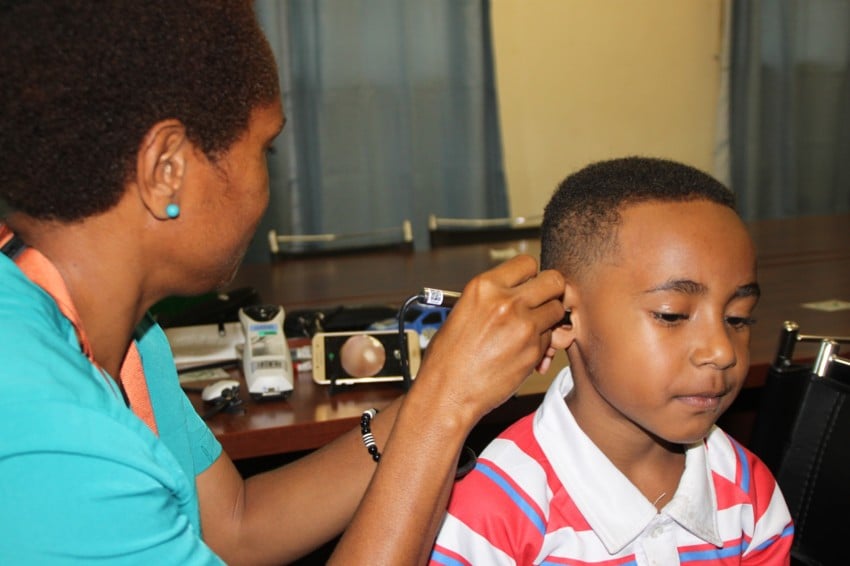
The first ever comprehensive study to estimate the prevalence of otitis media (OM) in Papua New Guinea (PNG) has revealed some of the world’s highest rates of childhood middle ear disease.
Patients with comorbid asthma-obesity experience greater disease severity and are less responsive to therapy. We have previously reported adipose tissue within the airway wall that positively correlated with body mass index. Accumulation of biologically active adipose tissue may result in the local release of adipokines and disrupt large and small airway function depending on its anatomical distribution. This study therefore characterized airway-associated adipose tissue distribution, lipid composition, and adipokine activity in a porcine model.

A project to uncover treatable traits to improve the lung health of people born preterm has been made possible thanks to a $1.99 million Medical Research Future Fund (MRFF) grant.
The aim of this study was to assess whether in utero tobacco smoke exposure alone affects early-life lung growth and development. Pregnant BALB/c mice...
Systemic Lupus Erythematosus (SLE) is a serious autoimmune disease often resulting in major end-organ damage and increased mortality. Currently, no data exists focussing on the presentation, long-term management and progression of SLE in the Australian paediatric population.
We present the case of a prepubescent man of African descent who developed a spitzoid melanocytic proliferation showing evidence of a novel promoter hijacking ALK-C2orf42 rearrangement, with atypical histology, clinically apparent metastatic disease, and abnormal cytogenetic findings, representing a rare genuine case of "Spitz melanoma of childhood."
Over the past decade, multiple initiatives have been implemented to strengthen influenza vaccination programs in Australia, with an increasing focus on children. In this article, we review these changes, the events that prompted them, and how they have influenced influenza vaccine uptake in Australia.
Electronic cigarettes (ECs) have been rapidly gaining ground on conventional cigarettes due to their efficiency in ceasing or reducing tobacco consumption,...
Small airway and lung parenchymal abnormalities frequently occur following preterm birth but are commonly missed by spirometry. Static lung volumes, diffusing capacity of the lung for carbon monoxide (D LCO) and oscillometry provide a more precise characterisation of these conditions. We hypothesised that differences in these measures exist between individuals born preterm and at term and we aimed to systematically review the literature to identify and quantify these differences in lung function.
Jonathan Carapetis AM AM MBBS FRACP FAFPHM PhD FAHMS Co-Head, Strep A Translation; Co-Founder of REACH 08 6319 1000 contact@thekids.org.au Head,