
Search
Showing results for "preterm birth lungs"
Increased numbers of preterm births, higher incidence of respiratory disease and death, and more children in hospitals are some of the stark health outcomes the world is facing from the impacts of extreme climate change.
To calculate the birth prevalence of CP after ART and compare the clinical outcomes of children with CP after ART or natural conception.
Evidence suggests that intramuscular vitamin A reduces the risk of bronchopulmonary dysplasia (BPD) in preterm infants. Our objective was to compare enteral water-soluble vitamin A with placebo supplementation to reduce the severity of BPD in extremely preterm infants.
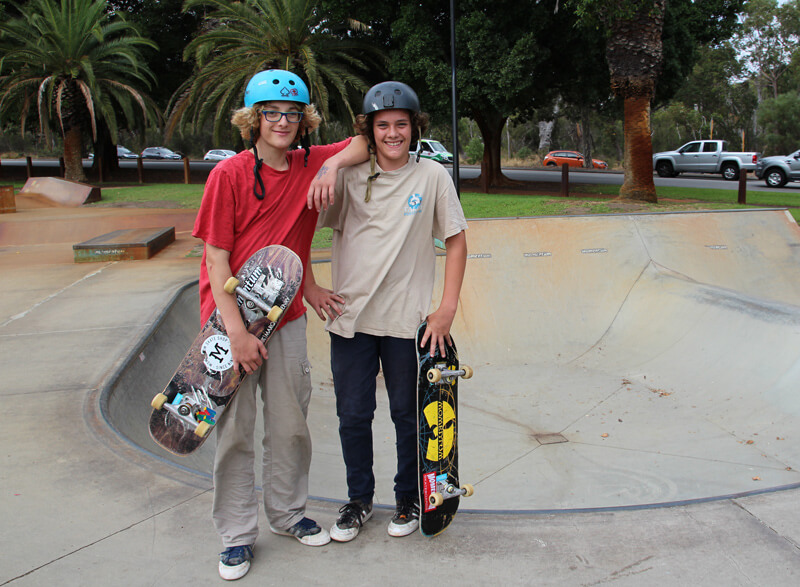
When Samuel and James Considine were born in October 2003, perilously close to what the medical world describes as the limit of viability, each weighed just 700 grams and could fit into the palm of their father’s hand.
To examine fetal outcomes of mothers with an alcohol-related diagnosis.
Infants of mothers with an alcohol-related diagnosis [International Classification of Disease (ICD), 9th/10th revisions] recorded on WA health data sets...
A ground-breaking global clinical trial to improve the lifelong lung health of children born extremely prematurely has been awarded a Medical Research Future Fund (MRFF) International Clinical Trials Collaborations Grant totalling almost $3 million.
These findings suggest the utility of specific FOT outcomes is dependent on the respiratory disease being assessed
This study assessed the temporal stability of spatial patterns in the incidence of preterm and small-for-gestational-age (SGA) in regional Western Australia,...
Asthma is the most common chronic lung disease in childhood. There has been a significant worldwide effort to develop tools/methods to identify children's risk for asthma as early as possible for preventative and early management strategies. Unfortunately, most childhood asthma prediction tools using conventional statistical models have modest accuracy, sensitivity, and positive predictive value.