
Search
Showing results for "Childhood interstitial lung disease "
Nipah virus is a zoonotic paramyxovirus responsible for disease outbreaks with high fatality rates in south and southeast Asia. However, knowledge of the potential geographical extent and risk patterns of the virus is poor. We aimed to establish an integrated spatiotemporal and phylogenetic database of Nipah virus infections in humans and animals across south and southeast Asia.
At present, limited literature exists exploring patient preferences for prophylactic treatment of acute rheumatic fever and rheumatic heart disease. Given low treatment completion rates to this treatment in Australia, where the burden of disease predominantly affects Aboriginal and Torres Strait Islander people, an improved understanding of factors driving patient preference is required to improve outcomes.
Against a backdrop ofwidespread global transmission, a number of countries have successfully brought large outbreaks of COVID-19 under control and maintained near-elimination status. A key element of epidemic response is the tracking of disease transmissibility in near real-time. During major out-breaks, the effective reproduction number can be estimated froma time-series of case, hospitalisation or death counts. In low or zero incidence settings, knowing the potential for the virus to spread is a response priority.
There are well-described sex-based differences in how the immune system operates. In particular, cisgender (cis) females have a more easily activated immune system; associated with an increased prevalence of autoimmune diseases and adverse events following vaccinations. Conversely, cis males have a higher threshold for immune activation, and are more prone to certain infectious diseases, such as coronavirus disease (COVID-19).
To introduce a disease prognosis framework enabled by a robust classification scheme derived from patient-specific transcriptomic response to stimulation.

Senior Research Officer

The major funder of the Wesfarmers Centre of Vaccines and Infectious Diseases based at The Kids Research Institute Australia has been recognised as Australia’s most generous giver.
The current narrative surrounding children’s health and wellbeing often focuses on adversity and dysregulation with a lack of positive messaging. However, promoting protective and buffering factors may be as important as reducing adverse exposures. While the concept of flourishing is commonly applied in the context of adults, defining what flourishing means for children in current academic literature remains unclear.
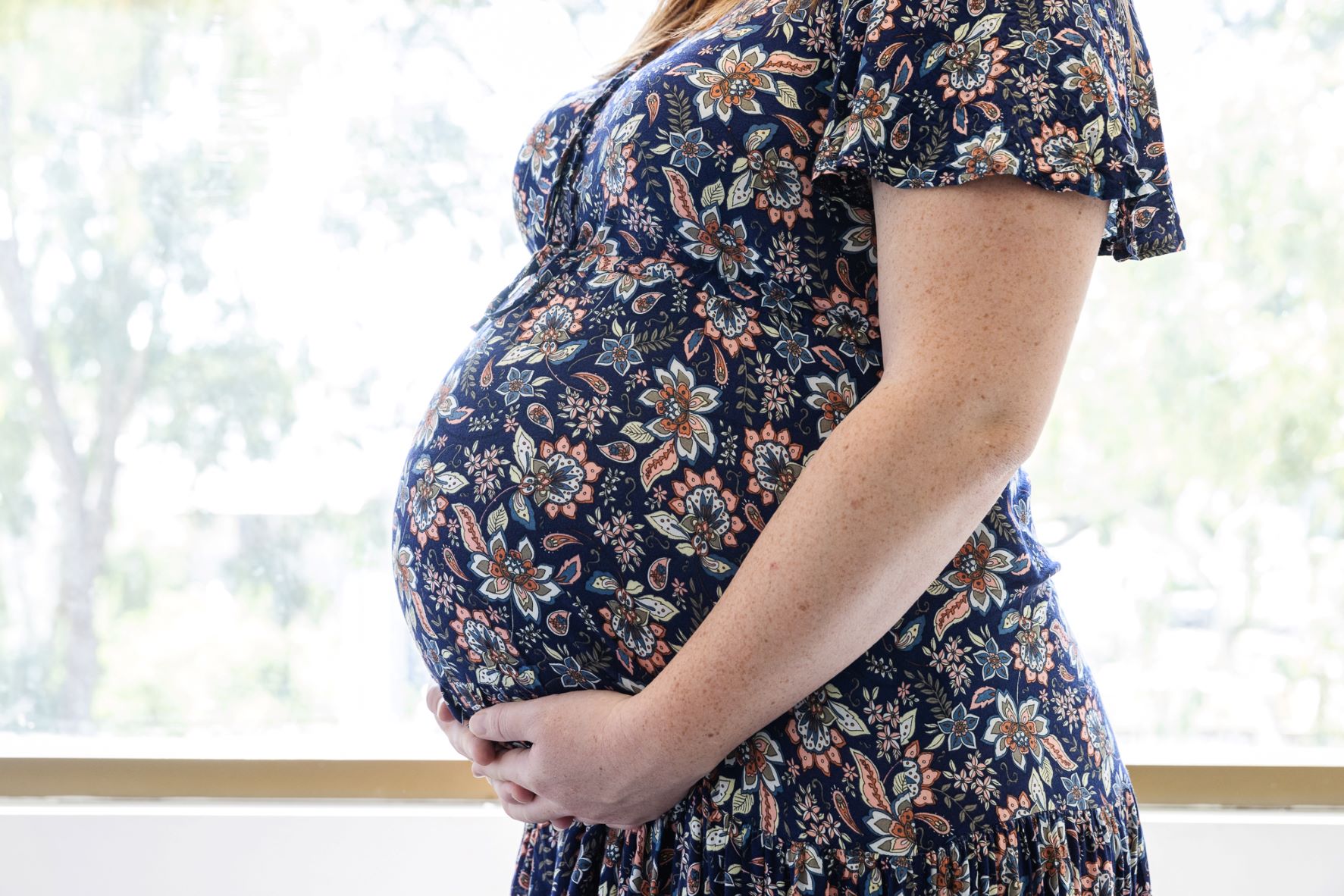
This research focuses on understanding how maternal health, lifestyle, and fertility influence pregnancy outcomes and the early development of children.
Here we recognise donors who have made cumulative gifts of $10,000 and above to contribute to children's health research at The Kids Research Institute Australia.