
Search
Showing results for "mental health aboriginal"
Acute rheumatic fever is infrequently diagnosed in sub-Saharan African countries despite the high prevalence of rheumatic heart disease. We aimed to determine the incidence of acute rheumatic fever in northern and western Uganda.
The Kids Research Institute Australia, Perth Children’s Hospital Foundation and Perth Children’s Hospital have formed a strategic partnership to support the establishment and operation of the Wal-yan Respiratory Research Centre.
Comparing children entering out-of-home care in Canada and Australia
Bullying involvement in any form can have lasting physical and emotional consequences for adolescents.
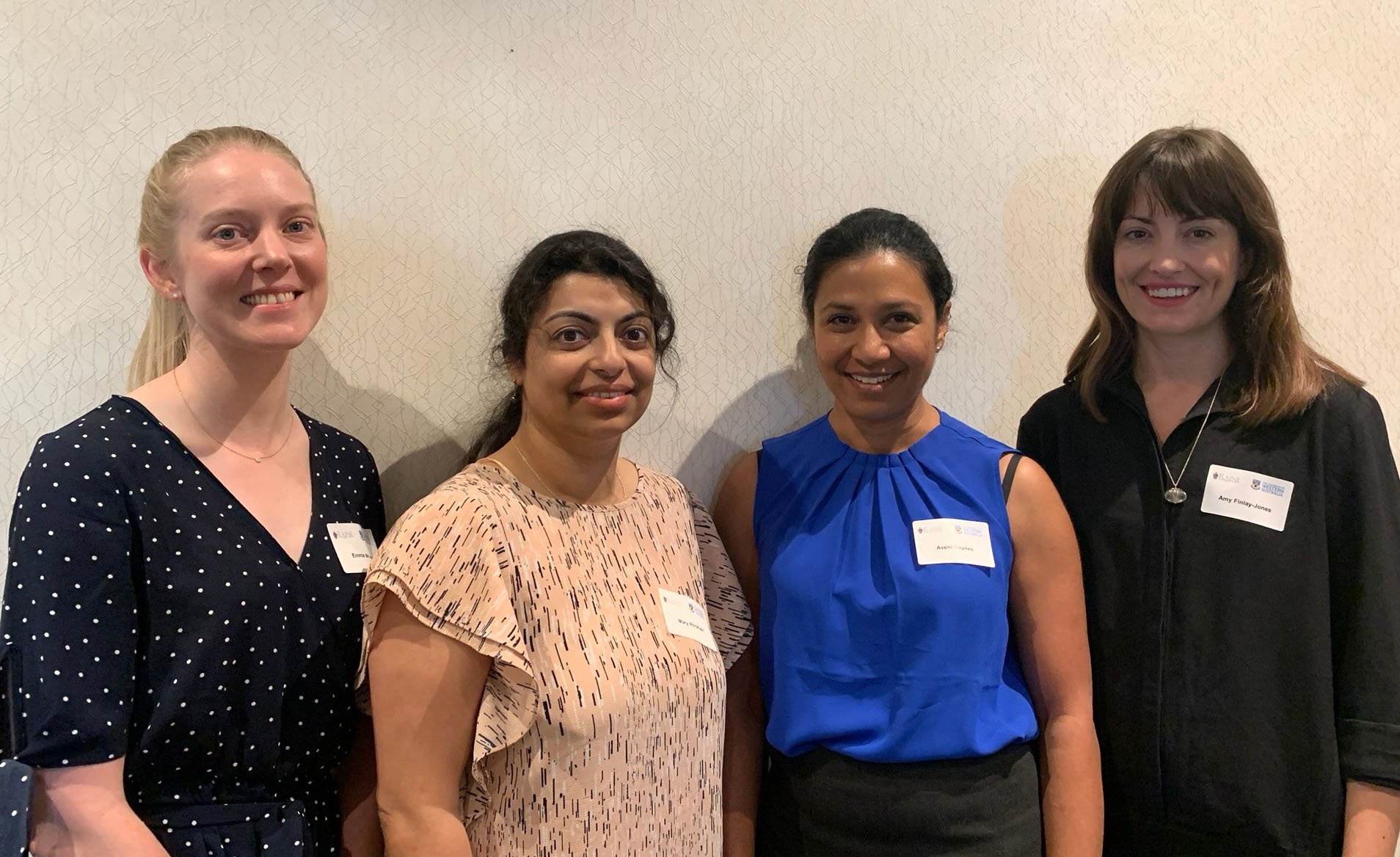
Children’s Diabetes Centre researchers at The Kids Research Institute Australia are among the big winners of prestigious Raine Medical Research Foundation Awards.
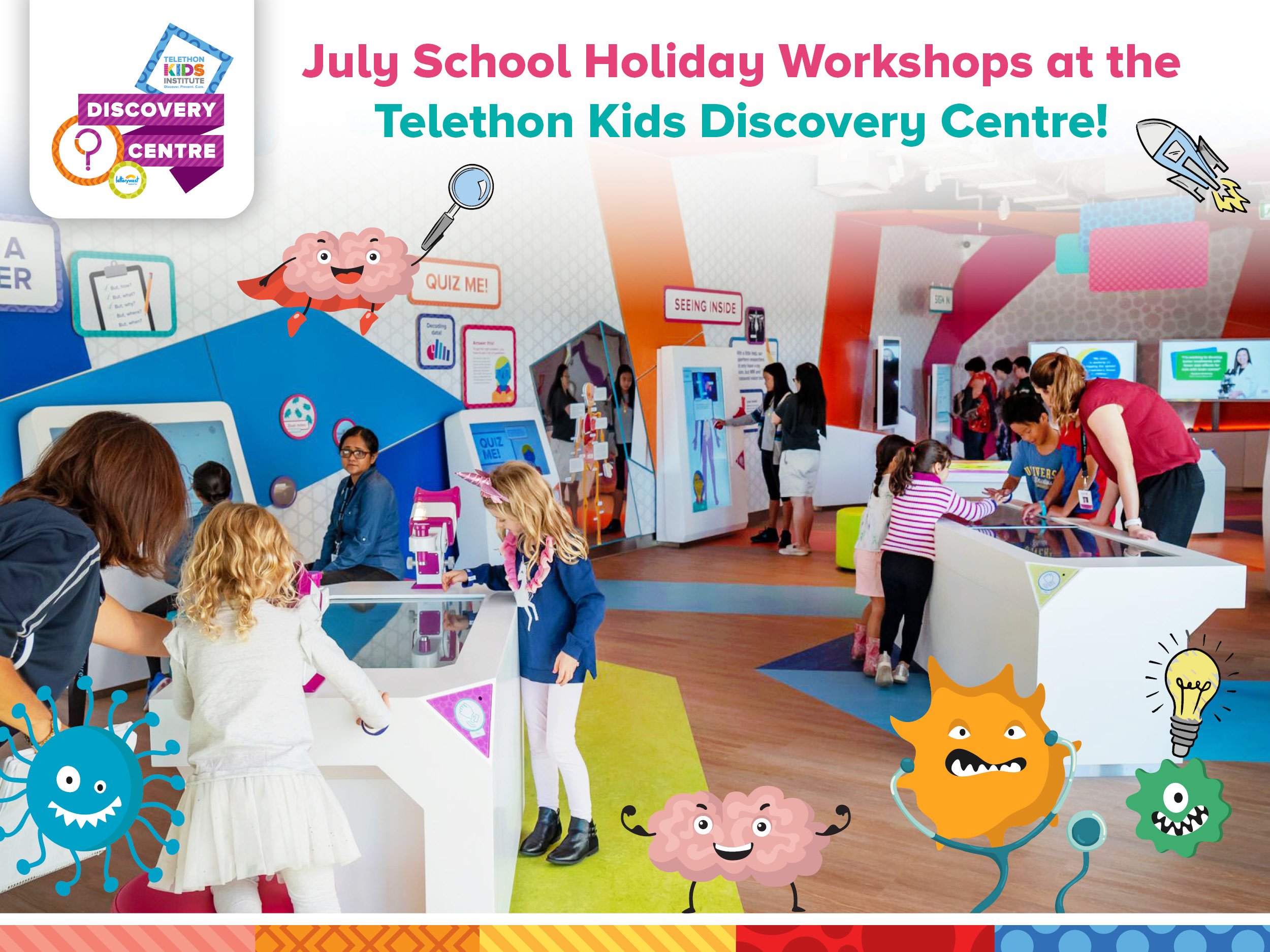
The July school holidays are just around the corner and with it comes another exciting program of school holiday workshops for kids!
Impetigo or skin sores are estimated to affect >162 million people worldwide. Detailed descriptions of the anatomical location of skin sores are lacking.
There is an increasing trend to prescribe ondansetron although its safety for use in pregnancy has not been established.
We wanted to embark on an epidemiological research project that would contribute new knowledge and, at the same time, might prove the value of the registry...
Mining developments are being required to consider how they affect local communities and implement strategies to minimise negative impacts they may be causing