
Search
Showing results for "Childhood interstitial lung disease "

Principal Research Fellow
Co-Head, Aboriginal Health and Wellbeing

Program Manager, Autism Research

Research Assistant in the Child Physical Activity, Health & Development team at The Kids Research Institute Australia

Research Assistant PLAYCE

Rebecca 'Bec' Young is a research assistant on the Early Neurodevelopment and Mental Health team at The Kids Research Institute Australia.
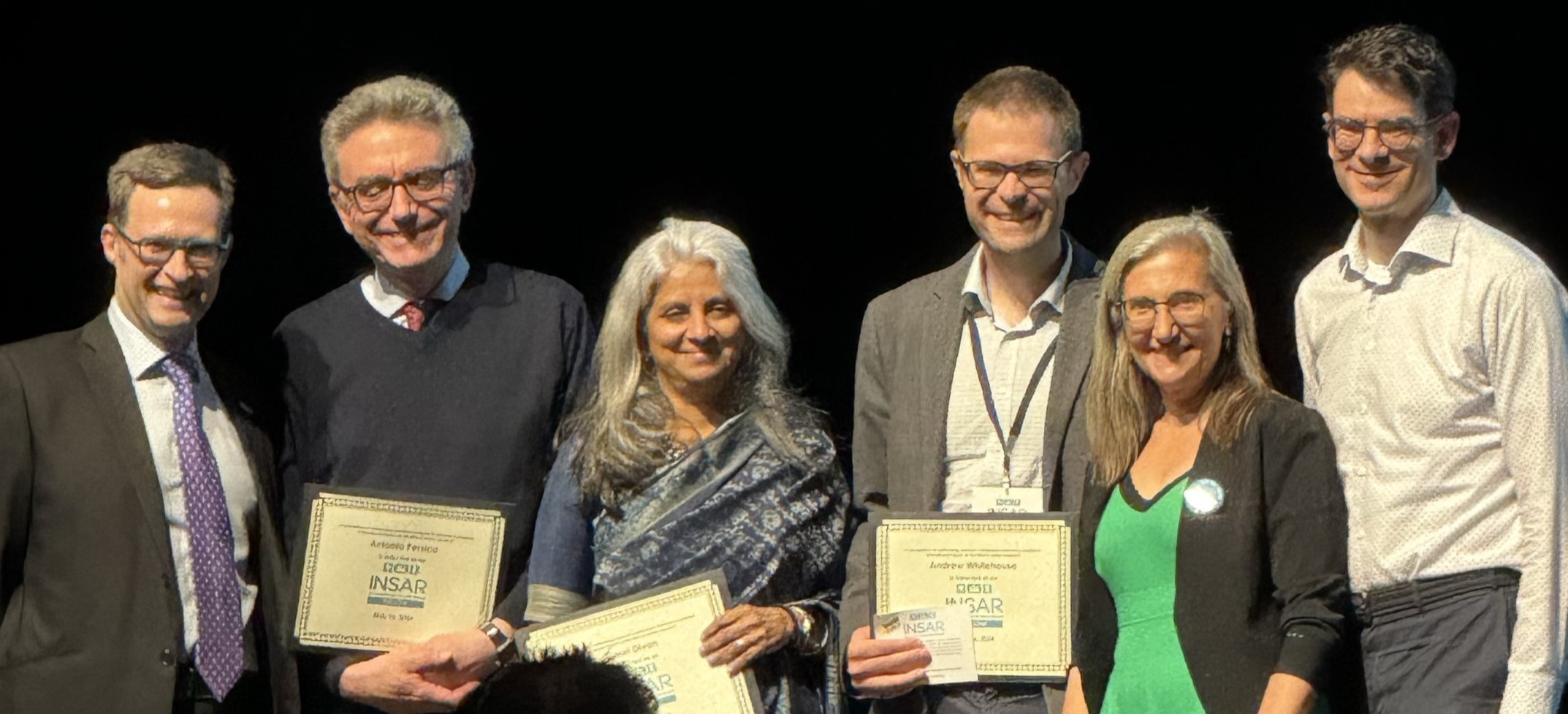
Professor Andrew Whitehouse was recently inducted as a Fellow to the International Society for Autism Research, making him just the fourth Australian to be bestowed the honour.
The Australian Study of Causes of Acute Lymphoblastic Leukemia in Children (Aus-ALL) was designed to test the hypothesis, raised by a previous Western Australia
The ETS2 repressor factor (ERF) is a transcription factor in the RAS-MEK-ERK signal transduction cascade that regulates cell proliferation and differentiation, and pathogenic sequence variants in the ERF gene cause variable craniosynostosis inherited in an autosomal dominant pattern. The reported ERF variants are largely loss-of-function, implying haploinsufficiency as a primary disease mechanism; however, ERF gene deletions have not been reported previously. Here we describe three probands with macrocephaly, craniofacial dysmorphology, and global developmental delay.
Type 1 diabetes presents significant challenges for optimal management. Despite intensive glycaemic control being the standard of care for several decades, glycaemic targets are infrequently achieved and the burden of complications remains high. Therefore, the advancement of diabetes management technologies has a major role in reducing the clinical and economic impact of the disease on people living with type 1 diabetes and on health care systems.