
Search
Showing results for "early lung health"
The similarities in risk factors and in the adjusted rates of victimisation-related injury admission in both countries suggest that the VR cluster of ICD-10...
The disparity between Aboriginal and non-Aboriginal infant removals needs to be seen as a priority requiring urgent action to prevent further intergenerational trauma
The ‘Building Social and Emotional Wellbeing Through the Arts Project’ was funded in 2021 by Healthway and supported through a partnership between The Kids Research Institute Australia and Edith Cowan University (ECU).
To investigate use patterns and learning outcomes associated with the use of Therapy Outcomes By You (TOBY. Playpad, an early intervention iPad application.
In this paper we conduct a genome-wide screen and follow-up study of expressive vocabulary in toddlers of European descent from up to four studies of the...
Anxiety and sleep problems may be an early indicator of autism in young children and early autistic traits may also contribute to anxiety problems later in childhood
The aim of the paper is to outline the future of early identification and intervention of ASD and the research goals to be addressed to achieve this vision.
This study explored facilitators and barriers to "uptime" (non-sedentary) activities in Danish girls and women with Rett syndrome
Desiree Silva MBBS, FRACP, MPH, PhD Co-Director, ORIGINS desiree.silva@thekids.org.au Co-Head, The ORIGINS Project Professor Desiree Silva is
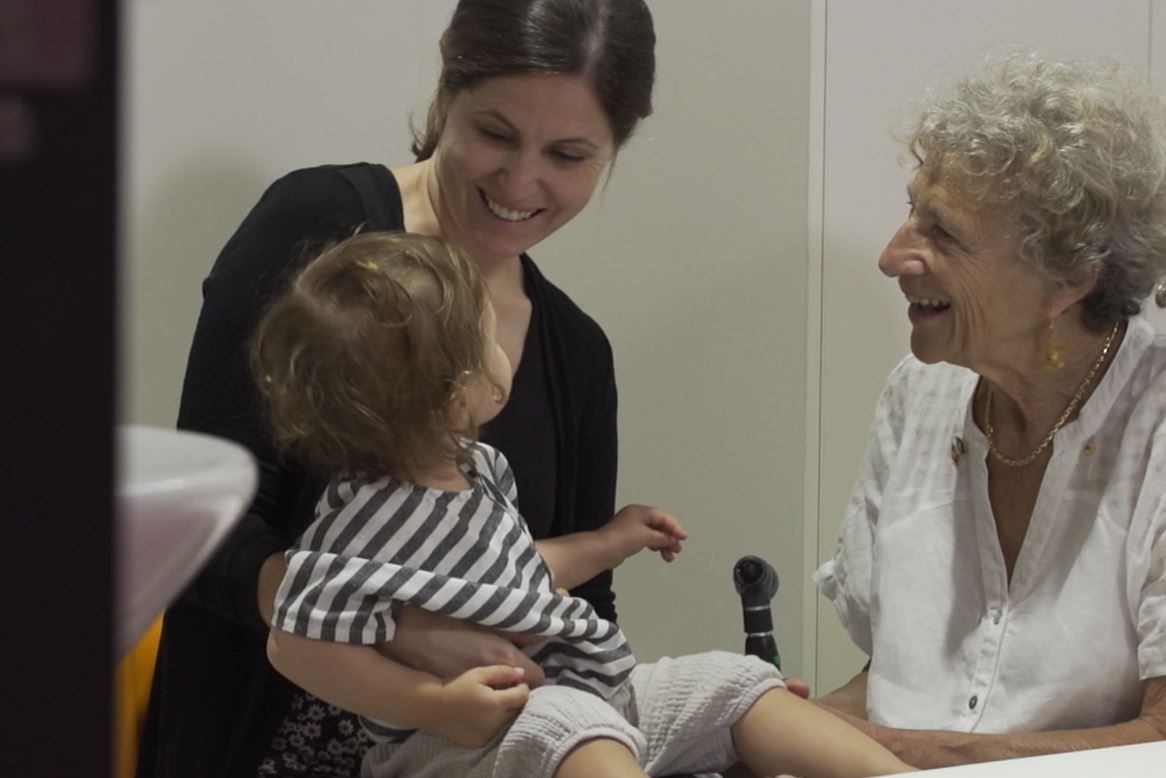
Leading infectious diseases researcher, Clinical Associate Professor Deborah Lehmann AO, has been named a finalist for the Australian Museum Eureka Prizes for her work training and mentoring a new generation of researchers.