
Search
Showing results for "lung disease preterm"
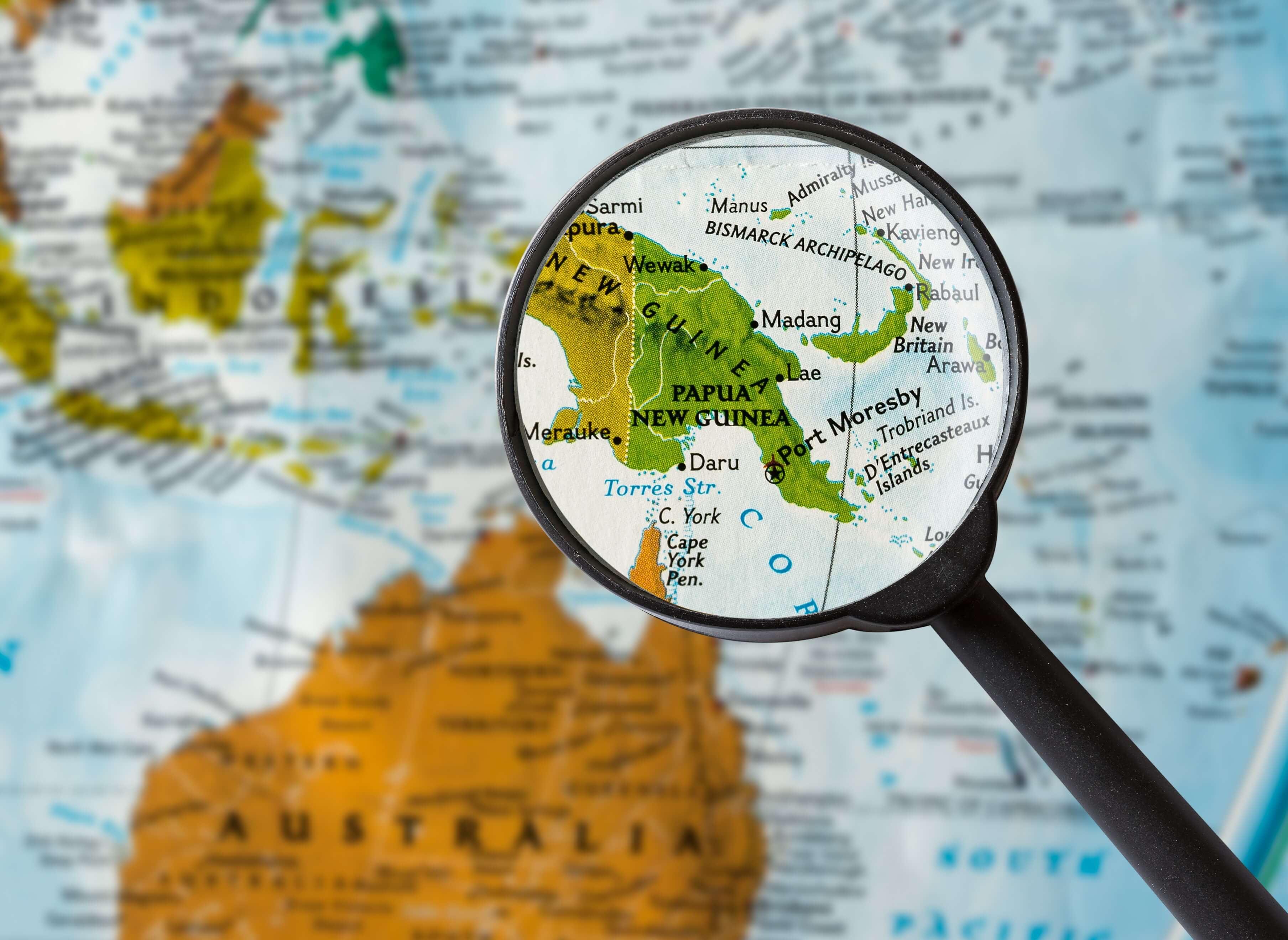
Thousands of children born in Papua New Guinea (PNG) no longer face a future cut short by severe pneumonia, thanks to the introduction of pneumococcal vaccination as part of the country’s National Immunisation Program.
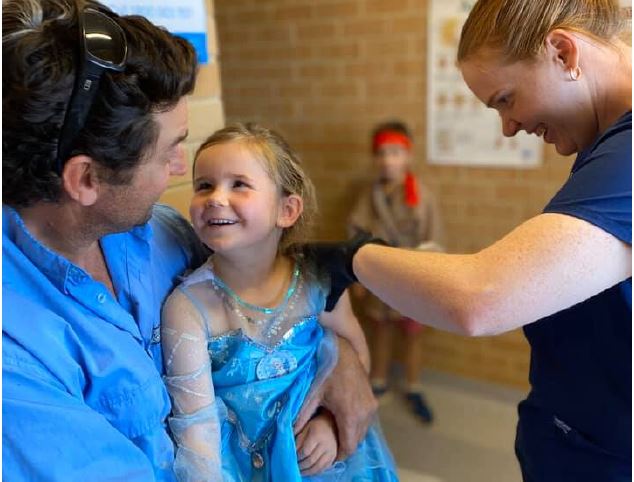
Infectious disease researchers who used a decade of scientific evidence to advocate for a nationwide childhood influenza immunisation policy have earned a finalist position at the country’s most prestigious science awards – the Australian Museum Eureka Prizes.

Dr Chris Brennan-Jones received the Woodside STEM Award for Excellence in Science at the prestigious 40Under40 Awards.
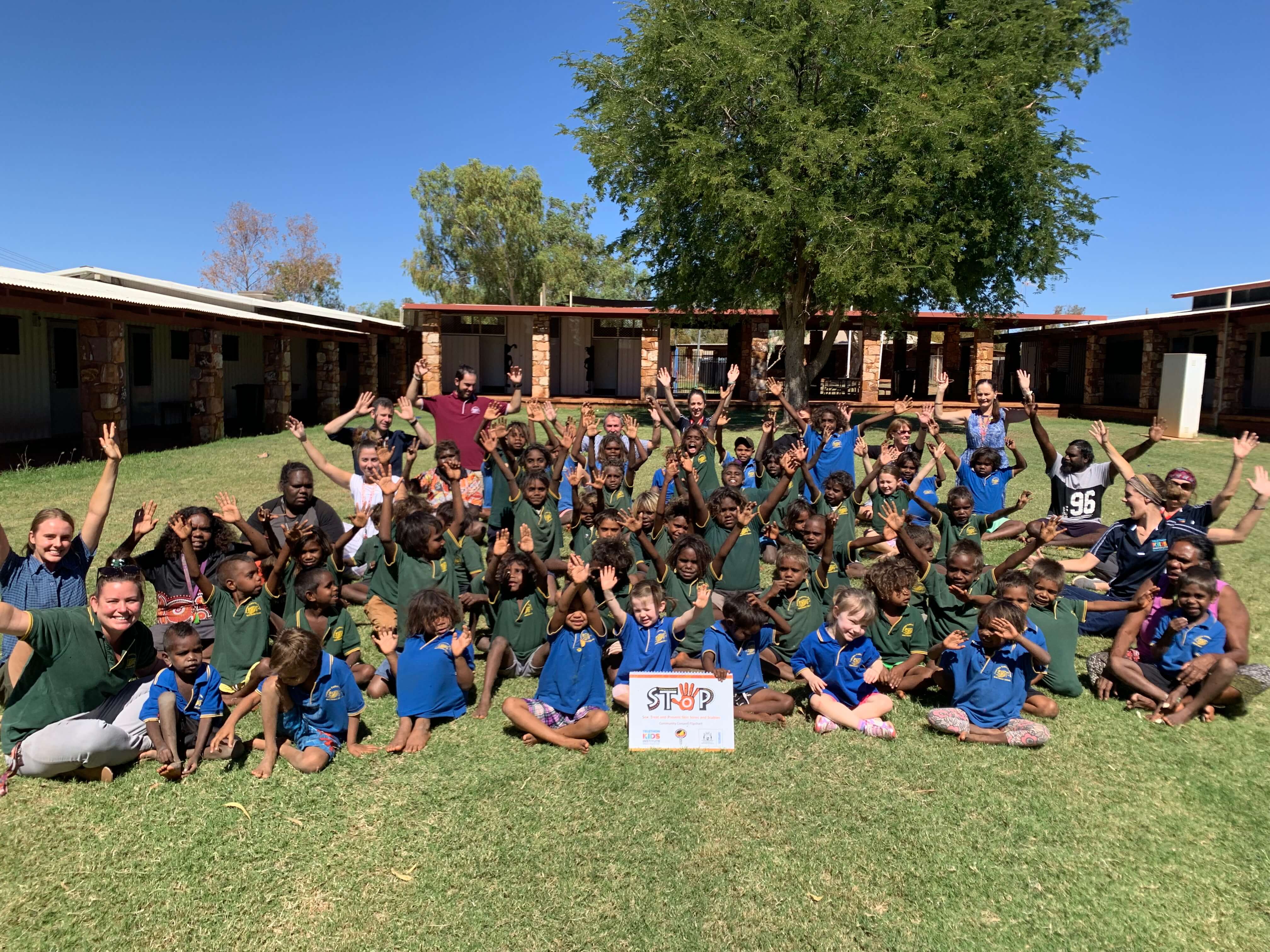
Aboriginal community members throughout the Kimberley will take a lead role in driving healthy skin messages within their own communities thanks to a major funding boost to The Kids Research Institute Australia’s SToP Trial.
The Kids Research Institute Australia’s cancer researchers will use funds raised in the name of a brave three-year-old girl to launch a new assault on the devastating form of childhood cancer which took her life.
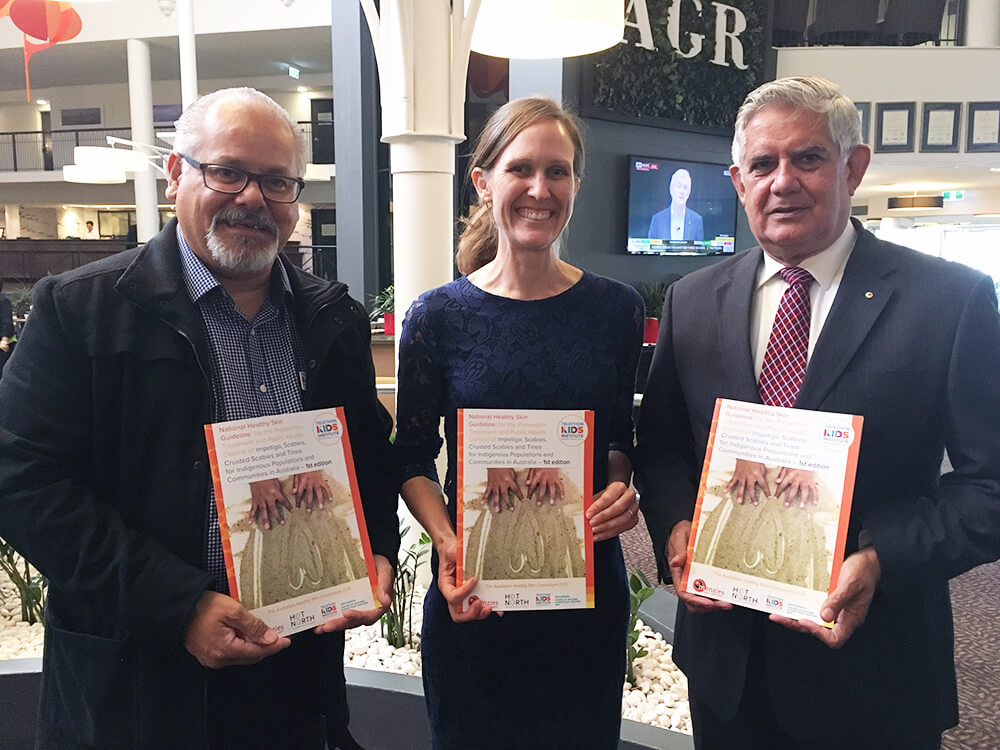
Researchers have developed the first National Healthy Skin Guideline to address record rates of skin infections in Australia’s Indigenous communities.

A new research project aims to demonstrate how influenza vaccination in children could be a highly cost-effective health care intervention in Australia.
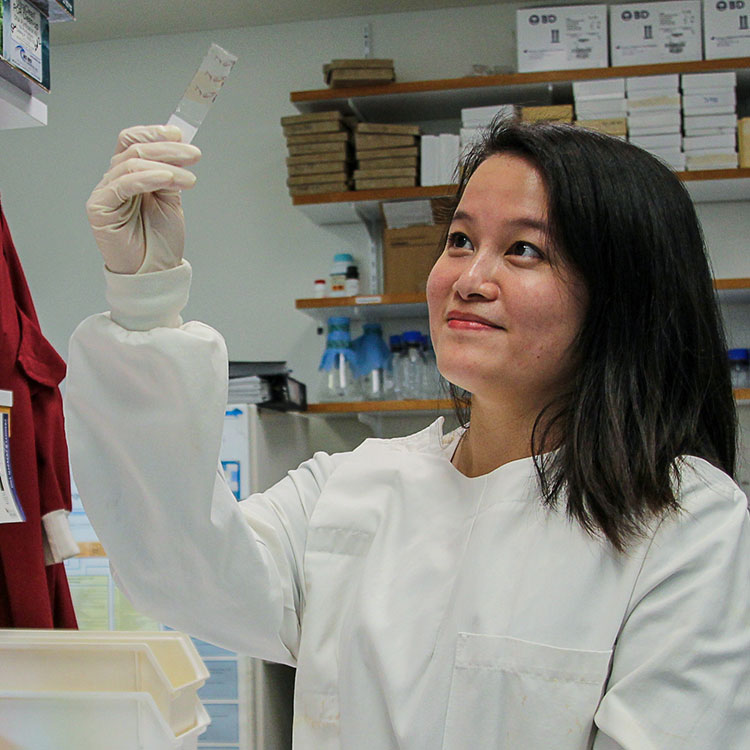
The Kids Research Institute Australia researchers have been awarded five of eight State Government awards designed to help cover the hidden costs of conducting research.
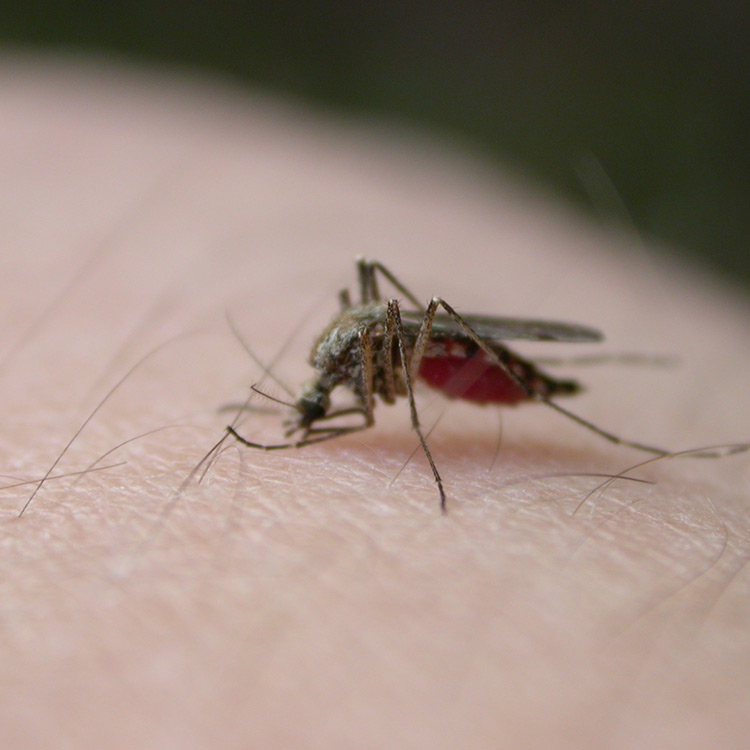
WA Researchers have conducted an Australian-first study to determine the prevalence of microcephaly, in preparation of any future outbreak of the Zika virus.
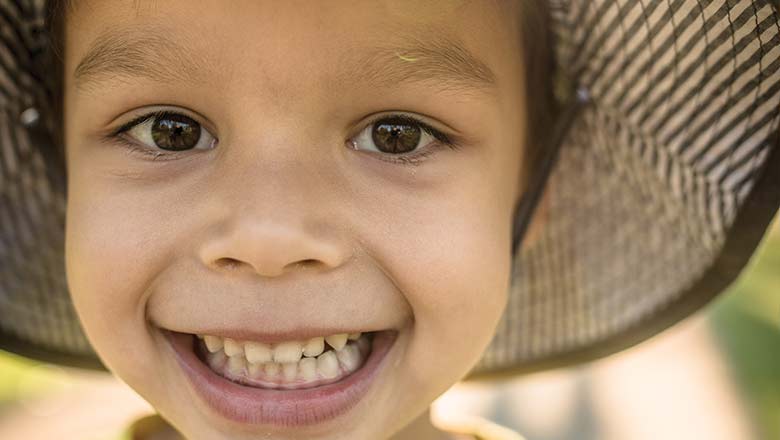
Like all of us, Dr Shelley Gorman grew up with the 'slip, slop, slap' message. And for good reason, Australia is one of the sunniest countries in the world.