
Search
Showing results for "Childhood interstitial lung disease "
Dynamic molecular changes in early life follow a robust ontogeny as the infant immune system adapts to the demands of its new environment. Studies of plasma immunomodulatory cytokines and chemokines have previously demonstrated ontogenetic patterns of immune development across the first week of life. However, how plasma cytokine and chemokines concentrations evolve over the first 4 months of life remains unknown.
Tick bites and tick-related diseases are on the rise. Diagnostic tests that identify well-characterised tick-borne pathogens (TBPs) possess limited capacity to address the causation of symptoms associated with poorly characterised tick-related illnesses, such as debilitating symptom complexes attributed to ticks (DSCATT) in Australia. Identification of local signals in tick-bitten skin that can be detected systemically in blood would have both clinical (diagnostic or prognostic) and research (mechanistic insight) utility, as a blood sample is more readily obtainable than tissue biopsies.
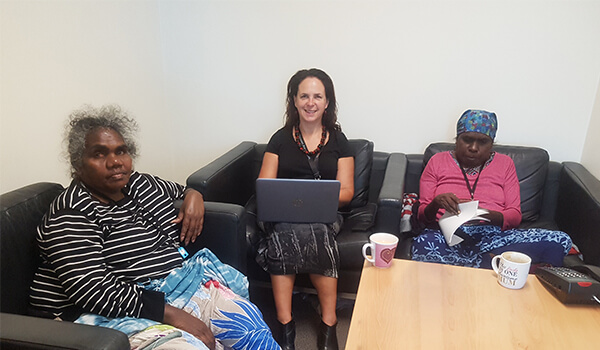
For Aboriginal Community Researchers Minitja Marawili and Yunutju Gondarra, the work of the END RHD CRE is deeply personal.
This study will identify how the immune system contributes to neurodevelopmental outcomes and will investigate the use of an agent from traditional medicines.
Group A Streptococcal (GAS) pharyngitis is an important precursor infection to severe complications including rheumatic fever and invasive GAS. Rapid molecular point of care testing (POCT) for GAS infection has advantages over traditional microbiological culture, especially in settings with limited or absent laboratory infrastructure and where GAS complications predominate.
Some individuals have a persistence of symptoms following both COVID-19 (post-acute COVID-19 syndrome; PACS) and other viral infections. This study used prospectively collected data from an international trial to compare symptoms following COVID-19 and non-COVID-19 respiratory illness, to identify factors associated with the risk of PACS, and to explore symptom patterns before and after COVID-19 and non-COVID-19 respiratory illnesses.
Respiratory syncytial virus contributes to significant global infant morbidity and mortality. We applied a previously developed statistical prediction model incorporating pre-pandemic RSV testing data and hospital admission data to estimate infant RSV-hospitalizations by birth month and prematurity, focused on infants aged <1 year.
The prevalence of scar formation following Bacille Calmette-Guérin (BCG) vaccination varies globally. The beneficial off-target effects of BCG are proposed to be stronger amongst children who develop a BCG scar. Within an international randomised trial ('BCG vaccination to reduce the impact of coronavirus disease 2019 (COVID-19) in healthcare workers'; BRACE Trial), this nested prospective cohort study assessed the prevalence of and factors influencing scar formation, as well as participant perception of BCG scarring 12 months following vaccination.
Bacille Calmette-Guérin (BCG) vaccine has immunomodulatory effects that may provide protection against unrelated infectious diseases. We aimed to determine whether BCG vaccination protects adults against COVID-19.
Genomic information is increasingly used to inform medical treatments and manage future disease risks. However, any personal and societal gains must be carefully balanced against the risk to individuals contributing their genomic data. Expanding our understanding of actionable genomic insights requires researchers to access large global datasets to capture the complexity of genomic contribution to diseases.