
Search
Showing results for "aboriginal respiratory"
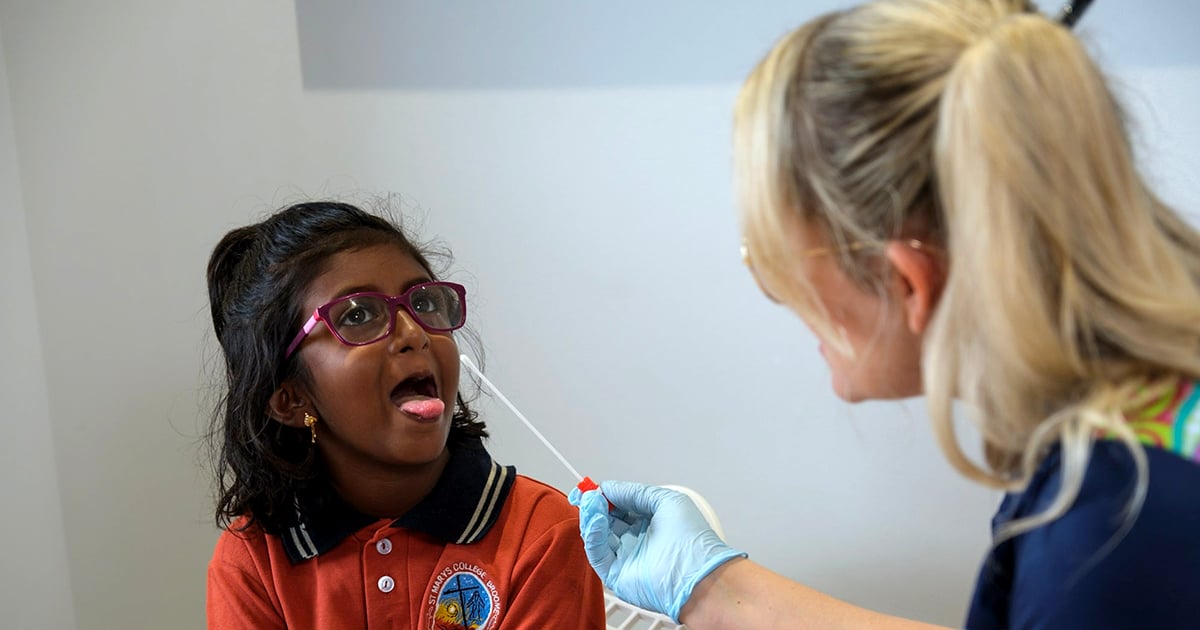
New research has revealed that molecular point-of-care testing (POCT) can significantly improve detection of Group A Streptococcal (Strep A) pharyngitis compared to laboratory culture – particularly in remote communities, where results can take up to seven days – unlocking a major opportunity to prevent rheumatic
Cancers in children are very different from cancers in adults - in most cases they appear to strike simply at random. They also develop differently and can spread more rapidly and aggressively. And because cancers in children are not obviously linked to their lifestyles, much work is needed to pinpoint their cause.
One of the many reasons for setting up the International CDKL5 Disorder Database was to learn more about this condition.
In this project, we will generate model-driven insights to accelerate and optimise how next-generation malaria vaccines and monoclonal antibodies are developed, evaluated, and deployed, across different age groups, use-cases, and transmission settings.
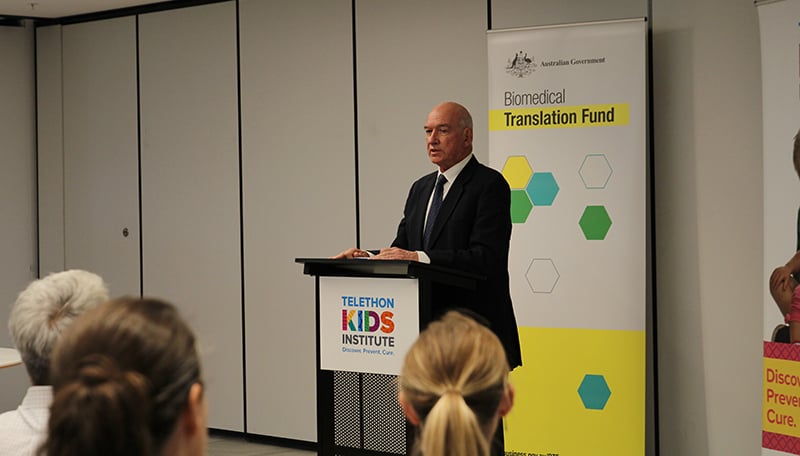
A The Kids Research Institute Australia spin-off company has received $20 million from the Medical Research Commercialisation Fund to develop a promising new therapy for the treatment of Cystic Fibrosis.

The Kids Research Institute Australia researchers set out on a worldwide search to find out all they could about Rett syndrome, establishing databases and creating awareness.
Measuring disease and injury burden in populations requires a composite metric that captures both premature mortality and the prevalence and severity of...
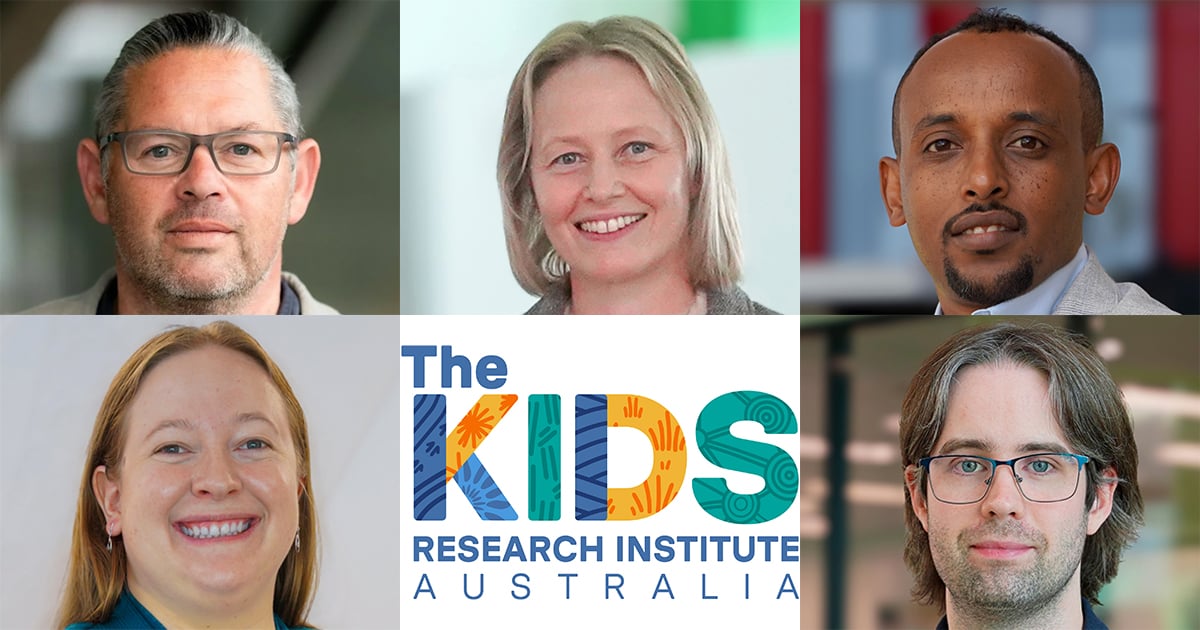
Five researchers from The Kids Research Institute Australia have secured prestigious National Health and Medical Research Council (NHMRC) Investigator Grants, earning five years of funding to advance research tackling some of Australia's most pressing child health challenges.

Perth researchers who were involved in an international study which examined two different techniques used to intubate newborns and young babies during surgery expect the findings to lead to a change in global practice.
In 2022, the World Health Organization extended their guidelines for perennial malaria chemoprevention (PMC) from infants to children up to 24 months old. However, evidence for PMC's public health impact is primarily limited to children under 15 months. Further research is needed to assess the public health impact and cost-effectiveness of PMC, and the added benefit of further age-expansion. We integrated an individual-based model of malaria with pharmacological models of drug action to address these questions for PMC and a proposed age-expanded schedule (referred as PMC+, for children 03-36 months).