
Search
Showing results for "aboriginal respiratory"
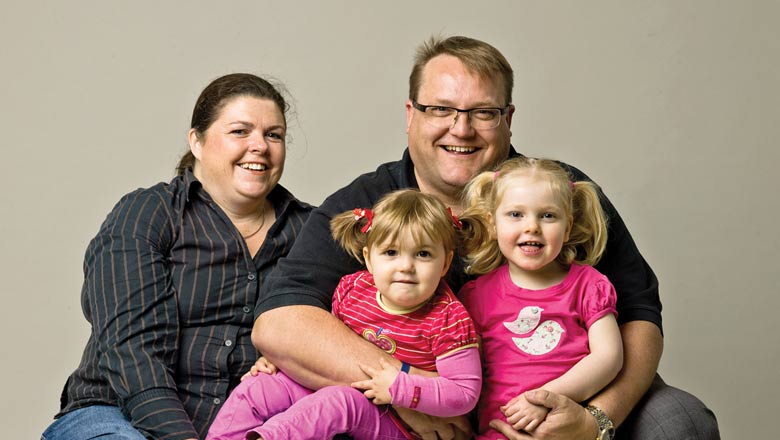
The Kids Research Institute Australia researchers set out on a worldwide search to find out all they could about Rett syndrome, establishing databases and creating awareness.
Measuring disease and injury burden in populations requires a composite metric that captures both premature mortality and the prevalence and severity of...
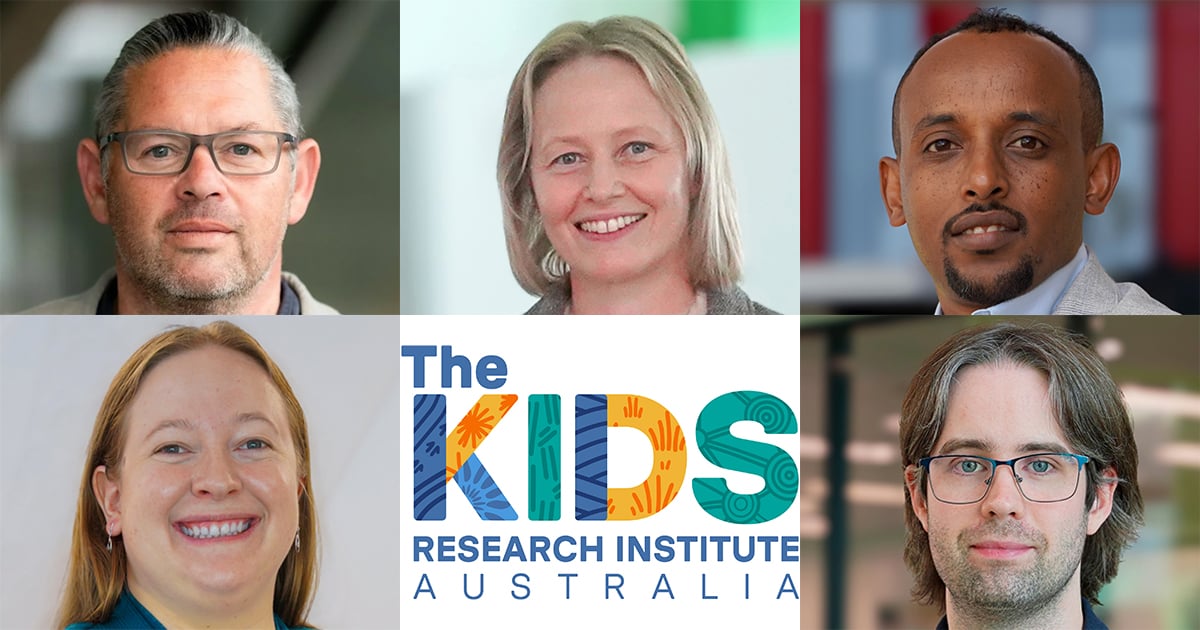
Five researchers from The Kids Research Institute Australia have secured prestigious National Health and Medical Research Council (NHMRC) Investigator Grants, earning five years of funding to advance research tackling some of Australia's most pressing child health challenges.
Perth researchers who were involved in an international study which examined two different techniques used to intubate newborns and young babies during surgery expect the findings to lead to a change in global practice.
In this project, we will generate model-driven insights to accelerate and optimise how next-generation malaria vaccines and monoclonal antibodies are developed, evaluated, and deployed, across different age groups, use-cases, and transmission settings.
To describe the infant and maternal characteristics of the Early Moves cohort and to assess representativeness to the general population, and to evaluate the implementation fidelity of an application-based collection of General Movement Assessment (GMA) videos at writhing and fidgety age.
CDKL5 deficiency disorder is a rare and severe developmental and epileptic encephalopathy that has profound effects on communication. It is essential that communication be measured accurately for upcoming gene therapy trials. The Communication Inventory Disability-Observer Reported was developed from a framework of communication derived from parent/caregiver interview data in consultation with disability and communication experts, and after reviewing concepts in existing measures.
CDKL5 deficiency disorder (CDD) is a rare developmental and epileptic encephalopathy (DEE) associated with multiple impairments and comorbidities. Outcome measures for disease-modifying clinical trials for DEEs should measurably capture a spectrum of caregiver priorities and be externally validated.
CDKL5 deficiency disorder (CDD) is a rare developmental and epileptic encephalopathy. Greater understanding of the smallest meaningful improvements for individuals with CDD in clinical trials and practice is needed for a person-centred approach to treatment efficacy. This study explored how parent/caregivers of people with CDD understood meaningful improvements and described change for priority functional domains including communication, gross motor, fine motor, feeding.
CDKL5 Deficiency Disorder (CDD) is a rare neurodevelopmental disorder characterised by early onset seizures combined with complex healthcare needs and developmental impairment that influence functional domains including communication. Communication is a high priority domain for families but currently used measures demonstrate floor effects.