Skip to content

Search

The Cold Atmospheric Plasma Inhibits Cancer Proliferation Through Reducing Glutathione Synthesis

Cold atmospheric plasma (CAP) is a safe and effective alternative to radiotherapy for cancer treatment. Its anticancer effects are attributed to increased intracellular reactive oxygen species (ROS). Glutathione, a key antioxidant derived from glutamine, is critical for cell proliferation. This study investigated whether CAP-induced ROS elevation results from reduced glutamine-glutathione conversion and elucidates the underlying mechanisms.

Topical versus systemic antibiotics for chronic suppurative otitis media

Chronic suppurative otitis media (CSOM), sometimes referred to as chronic otitis media (COM), is a chronic inflammation and often polymicrobial infection of the middle ear and mastoid cavity, characterised by ear discharge (otorrhoea) through a perforated tympanic membrane. The predominant symptoms of CSOM are ear discharge and hearing loss. Systemic antibiotics are commonly used to treat people with CSOM. This is the first update to the review published in 2021, and is one of a suite of seven Cochrane reviews evaluating the effects of non-surgical interventions for CSOM.

COVID-19 Vaccine Uptake, Sources of Information and Side Effects Reported by Pregnant Women in Western Australia: Cross-Sectional Cohort Survey

Pregnant women are a priority group for COVID-19 vaccination due to their vulnerability as a high-risk cohort. However, the currentCOVID-19 vaccine uptake rate for COVID-19 vaccination among pregnant women in Western Australia remains largely unknown.

Optimising detection of thrombosis in paediatric Staphylococcus aureus bacteraemia: A prospective interventional sub-study protocol

Staphylococcus aureus bacteraemia (SAB) is the most common cause of sepsis, contributing to paediatric intensive care unit admission in Australia and New Zealand. While deep venous thrombosis (DVT) has been reported in children with invasive S. aureus infections, the actual frequency and possible effects of thrombosis on disease severity and outcome in paediatric SAB remain unknown. Moreover, guidance regarding imaging for paediatric SAB management are poorly defined. 

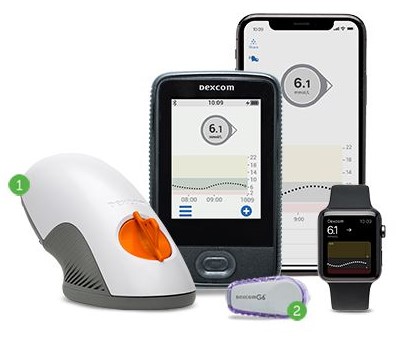
Parental experiences of using continuous glucose monitoring in their young children with early-stage type 1 diabetes: a qualitative interview study

To explore parents' experiences of using continuous glucose monitoring in their young children with early-stage type 1 diabetes, being followed in the Australian Environmental Determinants of Islet Autoimmunity (ENDIA) study.

Indigenous Australian perspectives on the perinatal period: Social well-being, culture and early infant attachments

Although social factors and culture are significant determinants of health in Aboriginal and Torres Strait Islander peoples, little is known academically about key interpersonal and social experiences of this population during the perinatal period, or how early attachments are formed through culture. This study addressed this gap in the literature. 

Net Promoter Score Model for Evaluating Paediatric Medicine Acceptability: Validation and Feasibility Study

Medicine acceptability is crucial for paediatric drug development, yet its assessment remains challenging due to the multifaceted nature of sensory attributes like taste, smell, and mouthfeel. Traditional methods of acceptability evaluation often involve complex questionnaires and lack standardisation, leading to difficulties in a comparative analysis across studies.

Results of an Australian trial of an automated insulin delivery (AID) system and other studies support likely benefit of AID use for many Australian adults with type 1 diabetes

Less than 20% of Australians with type 1 diabetes (T1D) meet recommended glucose targets. Technology use is associated with better glycaemia, with the most advanced being automated insulin delivery (AID) systems, which are now recommended as gold-standard T1D care. Our Australian AID trial shows a wide spectrum of adults with T1D can achieve recommended targets. Other studies, including lived experience data, are supportive. Insulin pumps are not subsidised for most Australian adults with T1D. We advocate change. 

Phage cocktail amikacin combination as a potential therapy for bacteremia associated with carbapenemase producing colistin resistant Klebsiella pneumoniae

The increasing occurrence of hospital-associated infections, particularly bacteremia, caused by extensively drug-resistant (XDR) carbapenemase-producing colistin-resistant Klebsiella pneumoniae highlights a critical requirement to discover new therapeutic alternatives. Bacteriophages having host-specific bacteriolytic effects are promising alternatives for combating these pathogens. 

Pushing the boundaries of rare disease diagnostics with the help of the first Undiagnosed Hackathon

Timo Lassmann BSc (Hons) MSc PhD Feilman Fellow; Head, Precision Health Research and Head, Translational Intelligence timo.lassmann@thekids.org.au