Skip to content

Search

Biospecimen Service

BioSpecs is a flexible service that supports laboratory research by providing expert technical assistance in pre-analytical sample processing and nucleic acid extractions.

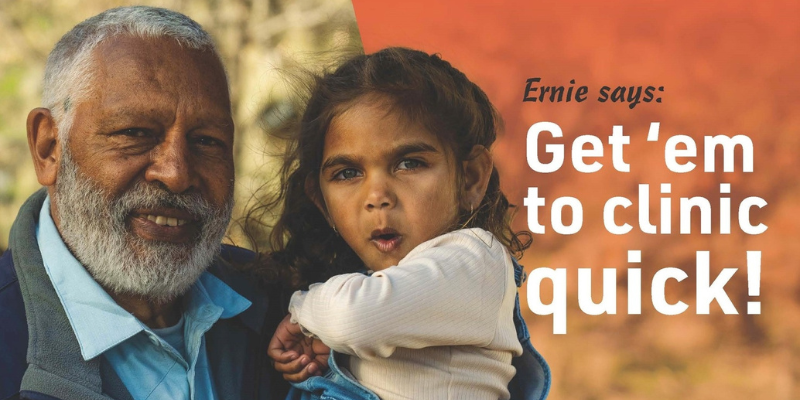
How traditional bush tucker could help boost Aboriginal children’s vitamin D

Researchers are collaborating with Community Elders to find out how bush tucker and traditional food can improve the health of Aboriginal children.

Partnering with government to influence policy and practice

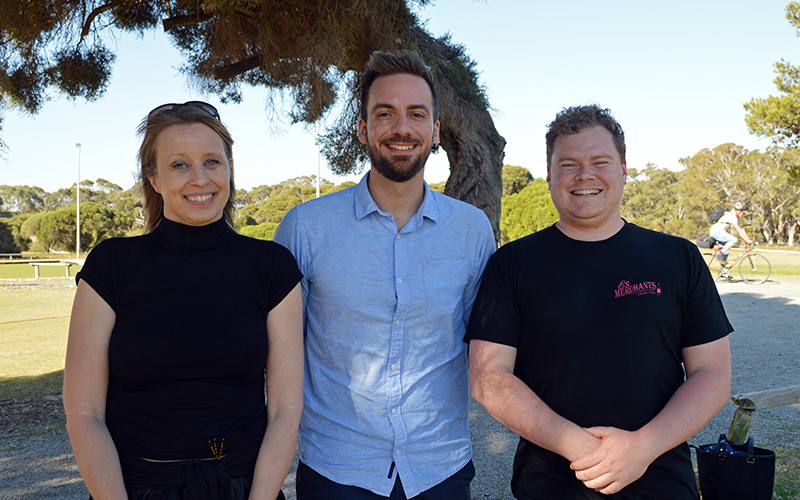
The Kids Research Institute Australia Government Relations Advisor Fiona Roche said the BEACHES project was a great example of how the Institute is increasingly working in partnership with Government

New technology the Wright treatment for Lucia

Lucia Wright is a happy, confident 16-year-old who loves her family, friends, drama, science and making the most of her newfound independence.

More than a good night's sleep: why a preterm baby's body clock may unlock the secret to life-long health

A simple set of eye masks and ear plugs – an inexpensive solution explored in a successful pilot study by The Kids Research Institute Australia, together with the Child and Adolescent Health Service – could hold the key to better outcomes for our tiniest bubs. Now, a nationwide clinical trial is testing the idea

EYI helps community spotlight dental health

Communities in the Central Great Southern region have known for years that dental health is a major issue for the smallest residents of their towns.

Database a crucial tool helping to fill the CDKL5 information void

The Kids Research Institute Australia disability researcher, Associate Professor Helen Leonard, played an important role in the identification of the differences that define CDD, thanks to her extensive experience researching Rett syndrome and running an Australian online database tracking Rett cases.

Who is at risk of a respiratory syncytial virus hospitalisation? A linked, population-based birth cohort analysis in children aged less than 5 years

Respiratory syncytial virus (RSV) is a major cause of acute lower respiratory infections globally in children under five years. With the development of RSV prevention strategies, understanding risk factors and relation to age and population is useful for deciding the type of program implemented.

Subcutaneous Infusion of Benzathine Penicillin G Is Acceptable and Preferred Over Intramuscular Injections for Syphilis in Western Australian Sexual Health Clinic Attendees

Controlling the syphilis epidemic in Australia is a public health priority. Regular intramuscular (IM) injections of benzathine penicillin G (BPG) are the current standard of care for late latent syphilis in Australia; however, repeated IM BPG injections are painful, and treatment completion rates are low. Early-phase clinical trials have demonstrated the tolerability and safety of high-dose subcutaneous infusions of BPG (SCIP), where the total treatment dose can be delivered at a single visit. Here we describe the experiences and preferences of attendees of Western Australian sexual health clinics in the Perth metropolitan region who have syphilis and were treated with SCIP.

Intrafamilial Maltreatment of People with Intellectual Disability: A Scoping Review

People with intellectual disability experience a greater risk of maltreatment than people without intellectual disability. Maltreatment by family members presents additional risks, including greater possibilities for concealment. This scoping reviewResults were summarized in both narrative and tabular formats summarizes extant knowledge about the familial maltreatment of people with intellectual disability and identifies gaps in the literature.