
Search
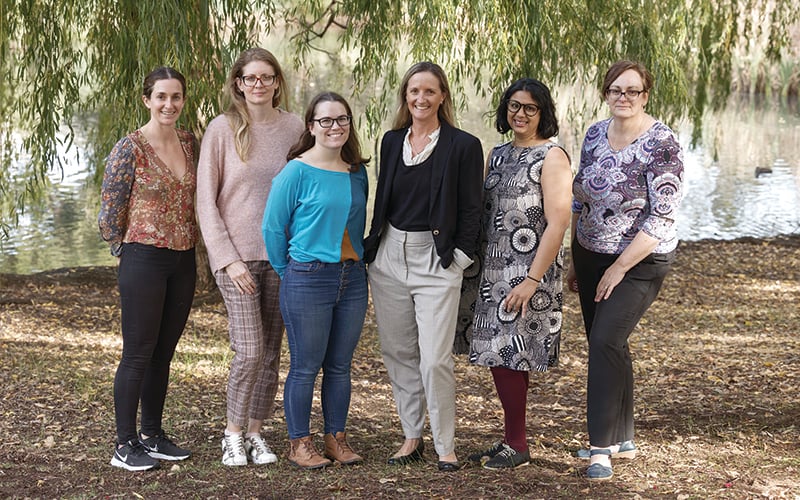
Childcare centres have flocked to take up a new evidence-based policy to help ensure young children get more of the physical activity they need to be healthy and developmentally on track.
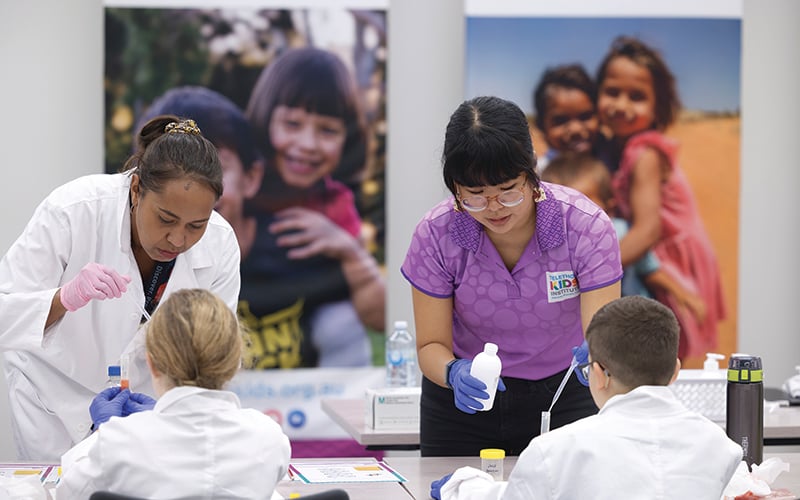
Strawberries, slime and sliced bread are being used as tools to educate and inspire the next generation of researchers, as part of the The Kids Discovery Centre Schools & Outreach Program.
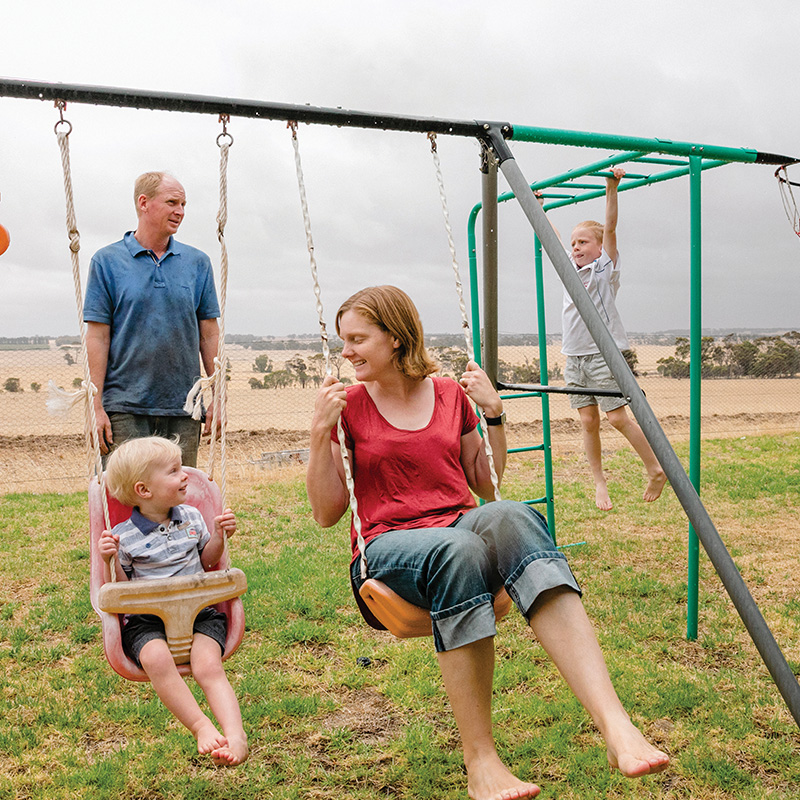
Communities in the Central Great Southern region have known for years that dental health is a major issue for the smallest residents of their towns.

The Kids Research Institute Australia disability researcher, Associate Professor Helen Leonard, played an important role in the identification of the differences that define CDD, thanks to her extensive experience researching Rett syndrome and running an Australian online database tracking Rett cases.

Study found children aged 2–5 years from dog-owning households had increased pro-social behaviours like sharing and cooperating, when compared to children without a dog.
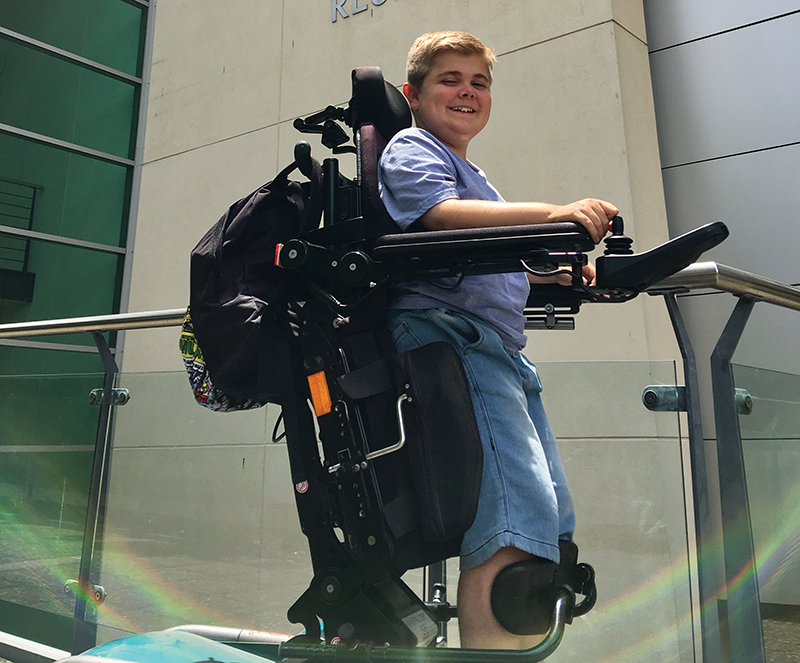
Klair Bayley knew her son Logan would eventually need a wheelchair.
We explored how university students’ mental and physical health changed during a 12-week on-campus exercise program. When students enjoyed exercise more than usual or more than others, they reported better mental and physical health. These findings highlight the importance of prioritising enjoyment of exercise when designing exercise programs for student wellbeing.
Masculine norms influence men's health and wellbeing. In Australia, interest in the role of these masculine norms resulted in an assessment of masculine norm adherence being included in the Ten to Men Study, measured using the 22-item version of the Conformity to Masculine Norms Inventory.
Mankeeping was theorized as the unreciprocated labor women take on to compensate for losses in men’s social networks, thereby reducing the burden on families, heterosexual bonds, and men. However, there is currently no validated instrument that can reliably assess this theory.
To investigate the change in prevalence of impaired awareness of hypoglycemia (IAH) and severe hypoglycemia (SH) across three cohorts (2002, 2015, and 2024) in youth with type 1 diabetes.