
Search
Showing results for "autism"
The objective was to determine the association between maternal serum 25(OH)-vitamin D concentrations and behavioural, emotional and language outcomes...
The aim was to characterise fetal brain growth in children with specific language impairment (SLI). A nested case-control study was set in Perth, WA.
This study assessed factors that could influence equipment and respite services use among Australian families caring for a girl/woman with Rett syndrome and...
Fetal androgens influence fetal growth as well as postnatal neurocognitive ability.
This paper is a correction of an earlier report that identified a link between exposure to high levels of testosterone during pregnancy and reduced head...
Prader-Willi syndrome (PWS) is a rare genetic disorder characterised by neurodevelopmental delays, hyperphagia, difficulties with social communication and challenging behaviours. Individuals require intensive supervision from caregivers which may negatively affect caregiver quality of life. This study used data collected in the Australasian PWS Registry to evaluate associations between child behaviours and caregiver mental well-being.
Mental health conditions and problems are often reported in children and adolescents with CP. A systematic review was undertaken to describe their prevalence.
People with intellectual disability experience significant gaps in healthcare delivery resulting in poor health outcomes. Appropriately designed healthcare is required to meet the needs of this population and achieve better health outcomes. Little is known about the structure of healthcare delivery for people with intellectual disability and whether it is effective or cost-effective.
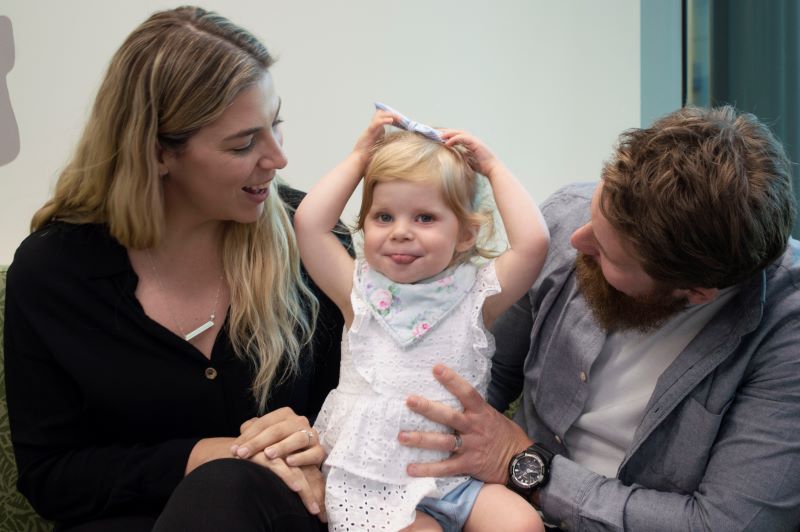
CliniKids, the first stand-alone clinical service offered by The Kids Research Institute Australia, was launched in October 2019 and is already delivering benefits for families with children who are developing differently.
Cyclin-dependent kinase-like 5 (CDKL5) deficiency disorder (CDD) is an ultrarare genetic condition causing developmental epileptic encephalopathy characterized by seizures and motor and intellectual disabilities. No disease-modifying therapies are available, and treatments focus mainly on symptom management to improve quality of life.