
Search
Showing results for "mental health aboriginal"
Kate Rosemary Summer Wyber PhD MBChB MPH FRACGP PhD Postdoctoral Research Officer Senior Research Fellow 0422 630 458 Kate.Summer@thekids.org.au
This chapter discusses the importance of investment in early life determinants of health to break the cycle of long-term disadvantage. This chapter addresses these issues while focussing on neurodevelopmental disorders and their related mental health concerns as the targets at the centre of a biopsychosocial transformation of the health system.
Tom Snelling BMBS DTMH GDipClinEpid PhD FRACP Head, Infectious Disease Implementation Research 08 6319 1817 tom.snelling@thekids.org.au Head,
Efforts to eliminate ARF and RHD in Australia over the past decade have so far been unsuccessful, but this can change
The Djaalinj Waakinj (Listening, Talking) Ear Portal project commenced in 2020 to evaluate an equitable ear and hearing care pathway for Aboriginal children residing in the metropolitan area of Perth.
Rates of several vaccine preventable diseases, and associated hospitalisation, are higher among Aboriginal and/or Torres Strait Islander children than non-Indigenous children. Western Australia has among the lowest childhood vaccine coverage in Australia, particularly among Aboriginal and/or Torres Strait Islander children. Delayed vaccination is also more common in this population. This project aimed to understand the barriers and facilitators to vaccine uptake and timeliness among Aboriginal and/or Torres Strait Islander children aged under five years in Boorloo (Perth).
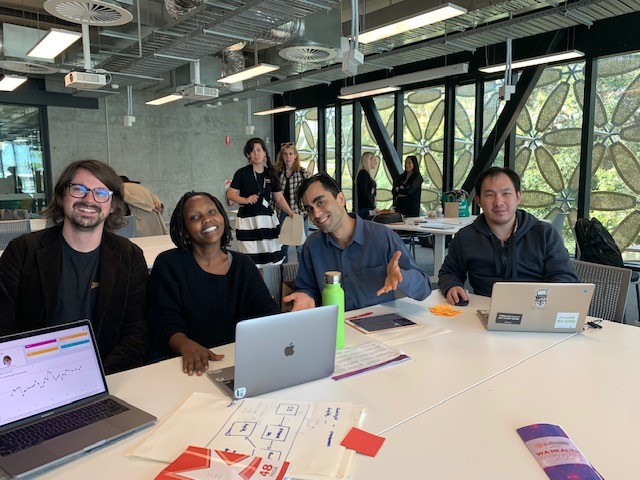
Congratulations to PCH Diabetes who put up a challenge that was selected for the recent WA Health Hackathon Week.
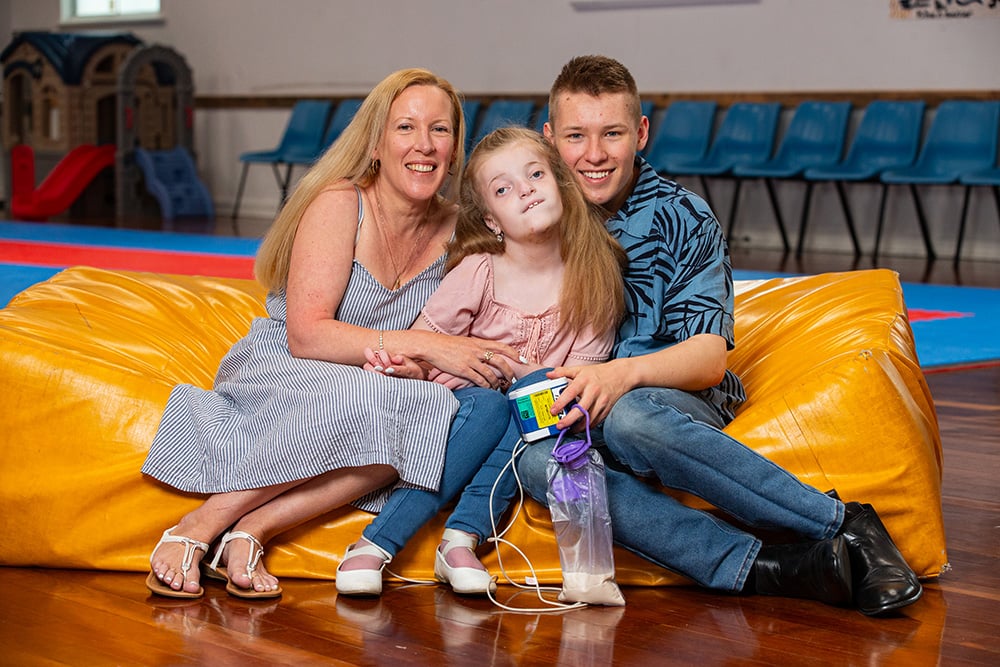
Uses personalised approaches to healthcare, aiming to tailor prevention and treatment strategies based on genetic, environmental, and lifestyle factors. This theme strives to make healthcare more targeted and effective for each child's unique needs.
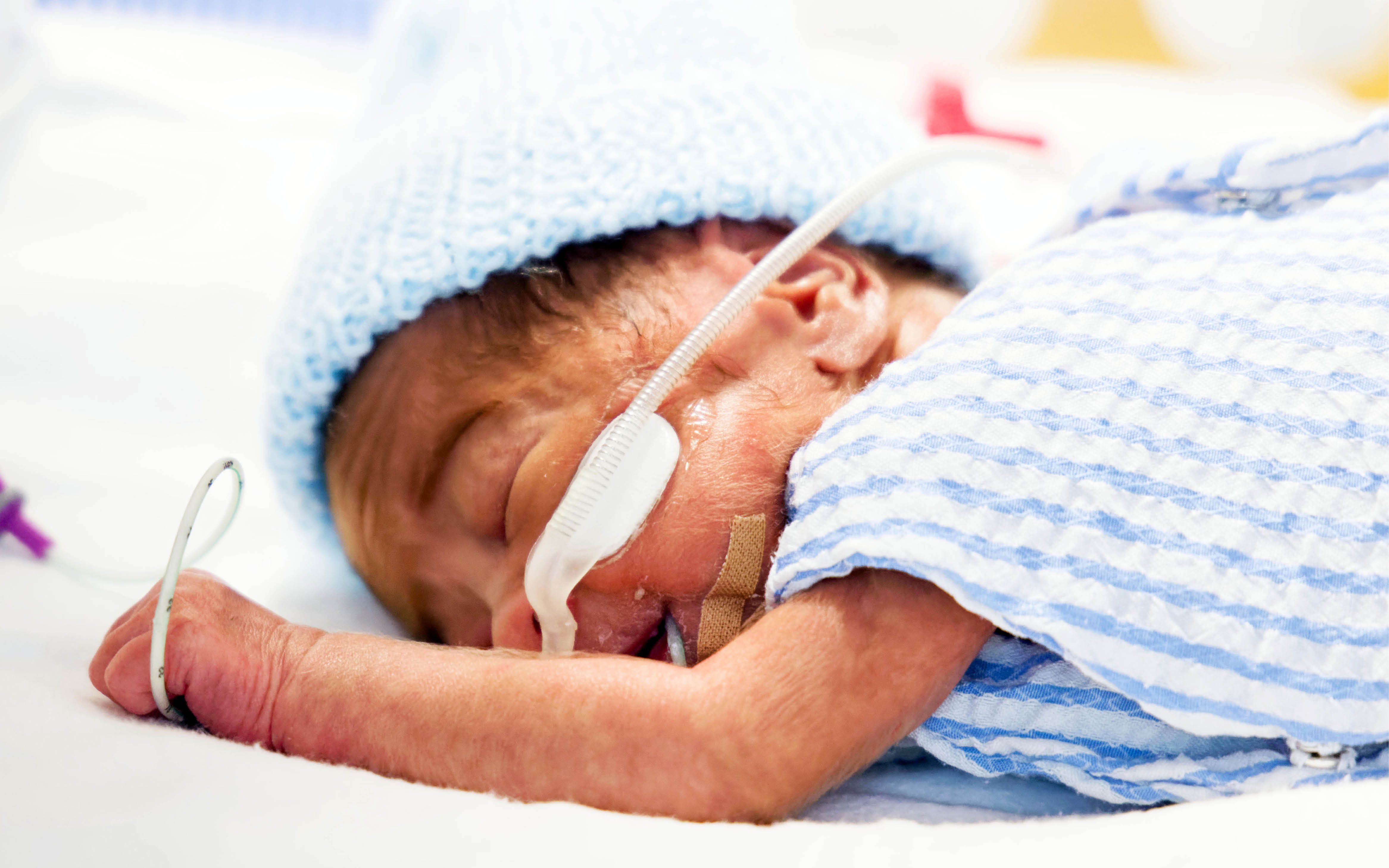
Preterm babies have a heightened risk of infection as their immune system is not mature. The Neonatal Health Team is exploring new ways to diagnose, prevent and treat infections in WA's smallest patients .
ATOMIC Ears Study The ATOMIC Ears Study aims to evaluate a new treatment designed to prevent ongoing ear infections in kids having grommet surgery.