
Search
Showing results for "early lung health"
In this. i study the MTD and RP2D, safety, PK, and preliminary activity of single-agent ribociclib were investigated in patients with neuroblastoma.
Pineoblastoma is a rare pineal region brain tumor. Treatment strategies have reflected those for other malignant embryonal brain tumors.
This article summarizes data from collaborative group and institutional trials that have advanced the science of pediatric brain tumors.
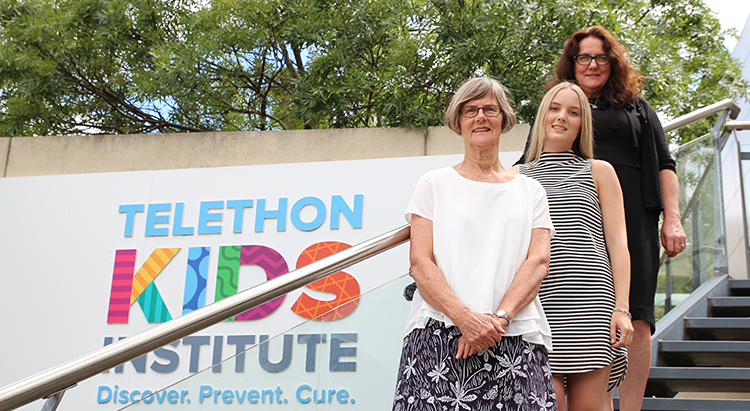
A ground-breaking The Kids Research Institute Australia study, which revealed that almost every young person being held in the Banksia Hill Detention Centre had some form of neuro-disability, has sparked concern and conversation across Australia and the world.

A new ongoing Q & A series focusing on different research themes within the Children’s Diabetes Centre - focus: exercise team.

Many children have transitioned to home schooling as a result of the COVID-19 pandemic – bringing about a big change in routine for kids and the entire family.

A The Kids Research Institute Australia research student concerned by the types of injuries he was seeing in emergency departments as a trainee doctor has spearheaded an Australia-first study.
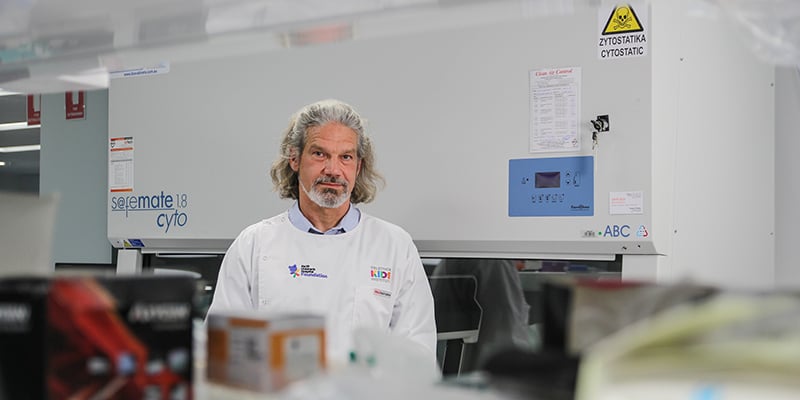
An international research collaboration, including The Kids Research Institute Australia infectious disease specialist Tobias Kollmann, has shown that the antiviral drug Interferon can speed up the recovery of COVID-19 patients.
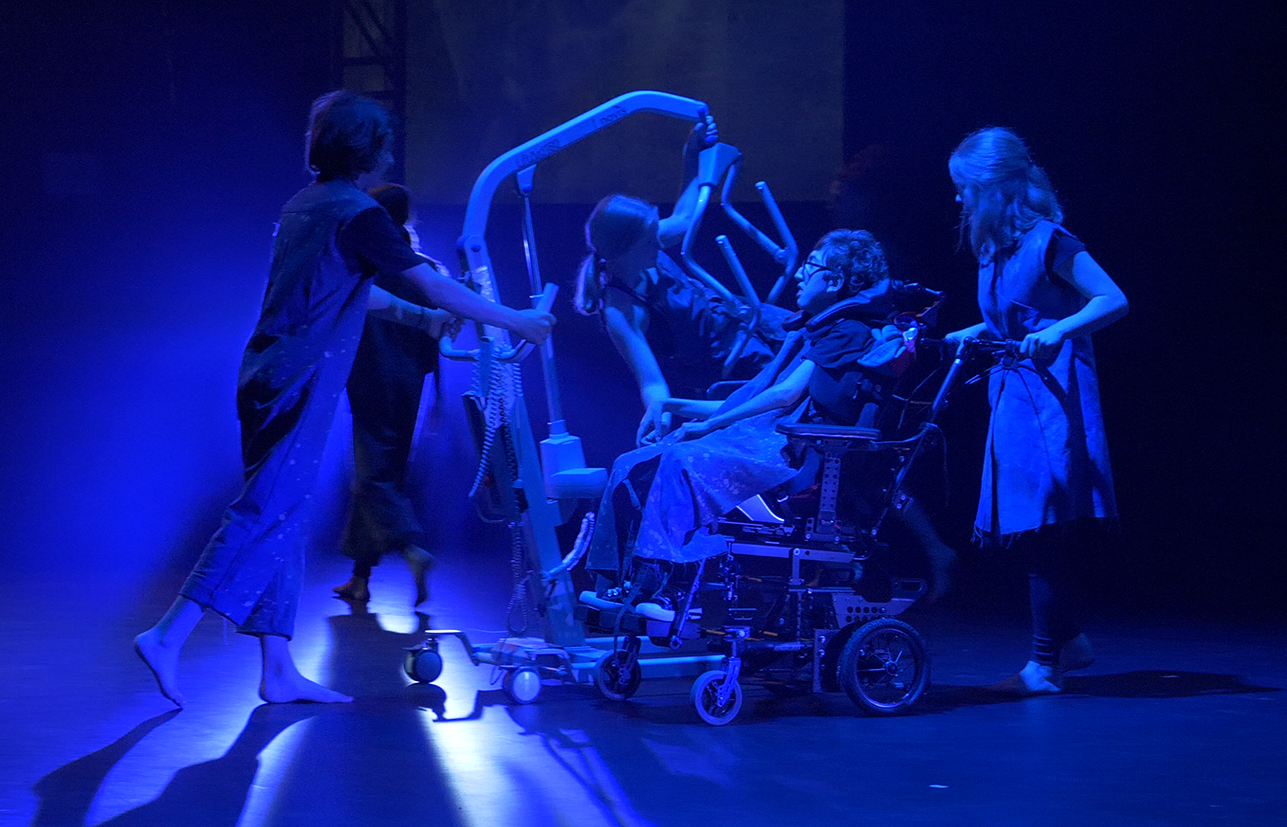
A quality of life tool developed by disability researcher Jenny Downs is helping to reveal the difference specific interventions can make to the lives of children and families living with disability.
The Opportunity We have an exciting opportunity available for an enthusiastic and motivated Administrative Assistant to provide administrative