
Search
Showing results for "early lung health"
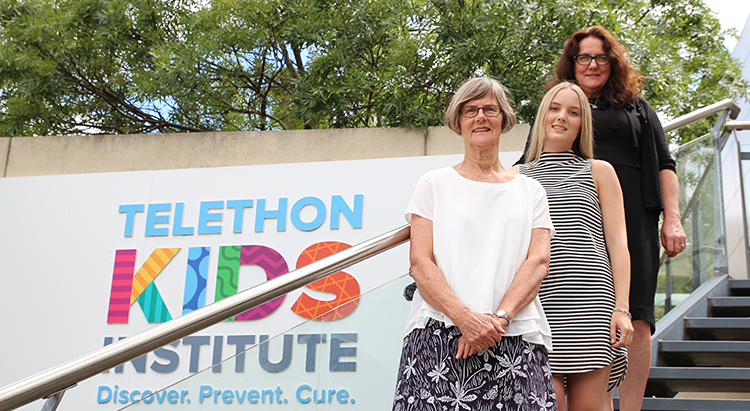
A ground-breaking The Kids Research Institute Australia study, which revealed that almost every young person being held in the Banksia Hill Detention Centre had some form of neuro-disability, has sparked concern and conversation across Australia and the world.

Many children have transitioned to home schooling as a result of the COVID-19 pandemic – bringing about a big change in routine for kids and the entire family.

A new ongoing Q & A series focusing on different research themes within the Children’s Diabetes Centre - focus: exercise team.
Parents and carers were asked about the quality of services, need for services and whether their children received the needed service, as well as barriers.
Young people aged 11 years and older provided information on their suicidal ideation, suicide plans and suicide attempts.
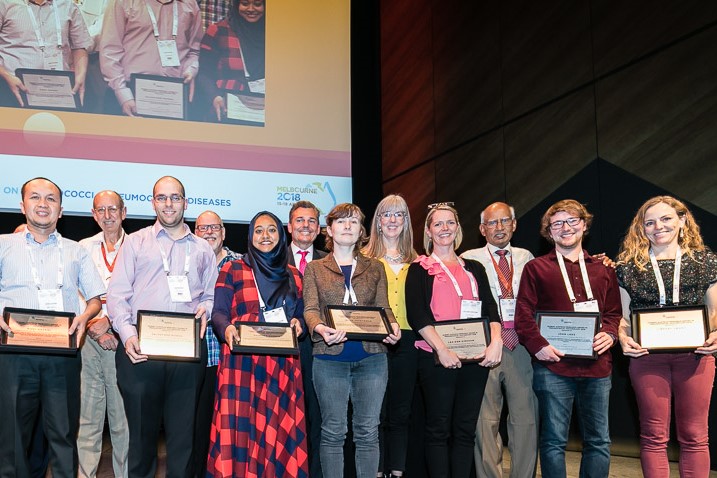
Congratulations to Dr Lea-Ann Kirkham - one of just 10 recipients from around the world to receive a prestigious Robert Austrian Award at the International Symposium on Pneumococci and Pneumococcal Diseases.
These results indicate a coordination of central and peripheral oxytocin release after stress and after intranasal administration
Compared the in vitro susceptibility of two strains of Trypanosoma copemani and one strain of T. cruzi against drugs that show trypanocidal activity
Rates of female sterilization procedures in Western Australia have declined substantially across all age groups in the last two decades
This multi-site international study provides further support for the potential for dog walking to increase levels of daily physical activity