
Search
Showing results for "autism"
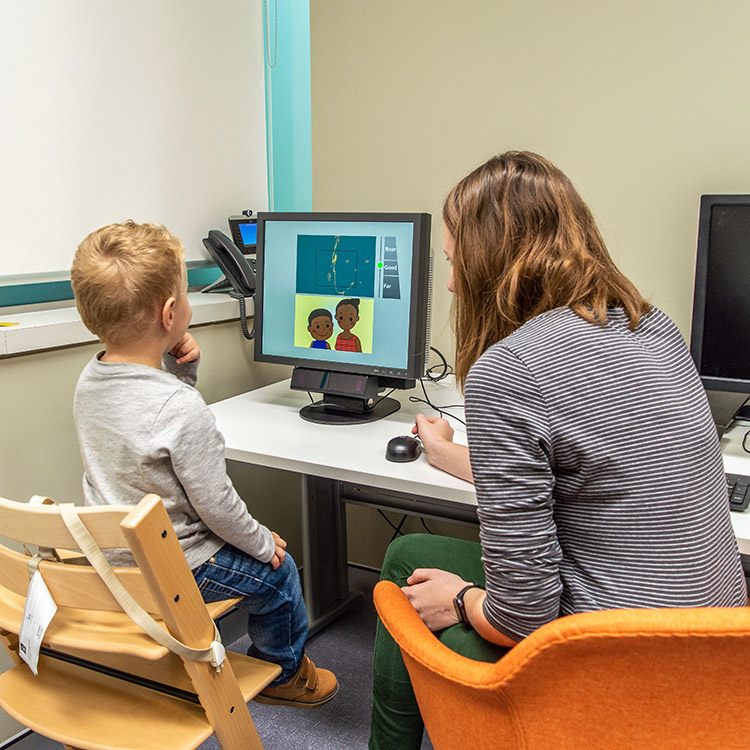
Our families have the opportunity to be involved in autism research conducted at CliniKids.
Initial evaluation suggests that QI-Disability is a reliable and valid measure of quality of life across the spectrum of intellectual disability

Clinical Lead, Speech Pathology
The aim of this study was to understand the challenges experienced by families obtaining a diagnosis and therapy for developmental coordination disorder (DCD). Parents of 435 children aged 4-18 years with persistent motor difficulties consistent with a diagnosis of DCD completed an online survey. Diagnostic timeline and diagnostic label/s received were examined, along with therapies accessed.
Speech and language therapists' (SLT) practice with cultural and linguistic diverse (CALD) populations with acquired and congenital neurogenic communication disorders in Denmark and Sweden is becoming more urgent due to demographic changes.
Overview of Health Issues in School-aged Children with Down Syndrome
Siblings of children with disabilities: challenges and opportunities
The Opportunity Led by Professor Andrew Whitehouse, the Autism Research Team, based at The Kids Research Institute Australia in Subiaco, are
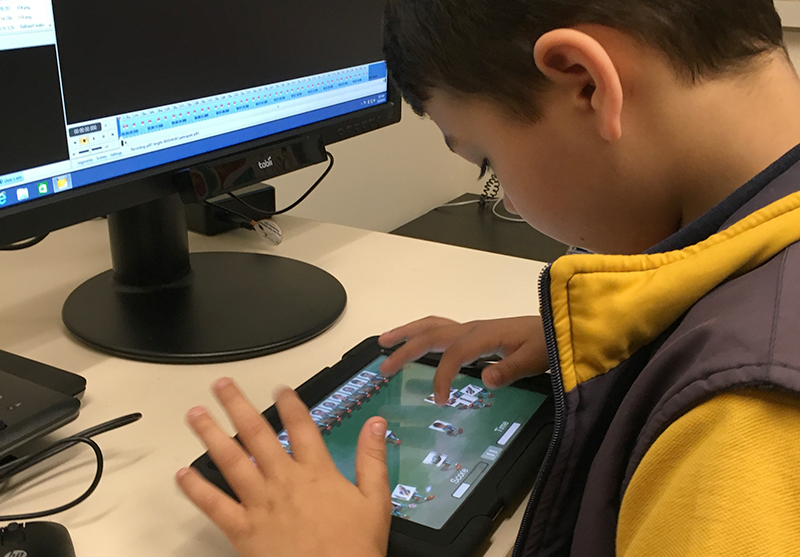
Researchers at The Kids Research Institute Australia and University of Western Australia have recently published data describing the use of an attention training game designed for school-aged children diagnosed with autism spectrum disorder (ASD).
Helen Leonard MBChB MPH Principal Research Fellow +61 419 956 946 helen.leonard@thekids.org.au Principal Research Fellow Areas of research expertise